
The Iran Conflict, Diesel Fuel, and a Story of Neglected Infrastructure
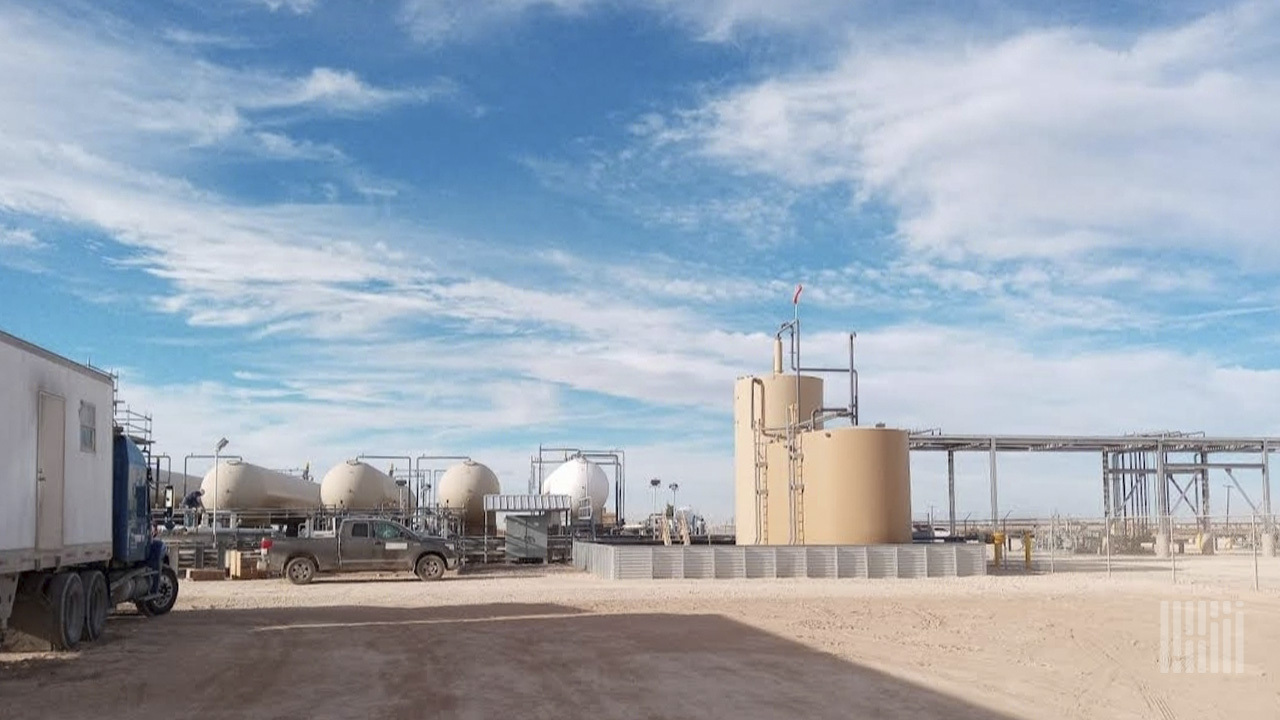
On Saturday, the United States and Israel conducted strikes against Iran. By Monday, Iranian drones had targeted Saudi Arabia's Ras Tanura refinery, a global giant processing 550,000 barrels daily and a crucial diesel supplier to Europe. QatarEnergy ceased all LNG production. Brent crude prices surpassed $82 per barrel. Shipping through the Strait of Hormuz, vital for approximately 20% of global daily oil, has effectively halted. With gas prices nearing $3.15 per gallon and diesel futures soaring, the perennial question resurfaces: Why does the world's leading oil-producing nation remain vulnerable to events thousands of miles away? The explanation lies not in the oil fields, but in the pipelines, refineries, and the long-standing infrastructure choices we've neglected. For the trucking industry, which uses over 35 billion gallons of diesel annually, this is not merely a geopolitical event, but a matter of survival.
Day three: The Strait is closed, and the shelves are being watched.
Early Saturday morning, February 28th, the U.S. and Israel executed coordinated airstrikes across Iran, hitting Tehran, Isfahan, Qom, and other significant cities. These strikes resulted in the deaths of Ayatollah Ali Khamenei and several high-ranking officials. President Trump stated the operation's objective was to dismantle Iran's nuclear program and disrupt its regional proxy networks.
Iran's retaliation was swift and more extensive than any prior response, with Tehran launching missiles and drones against U.S. interests.