
Dalilah's Law and the Unbroken Link Between Load Boards and Crash Scenes
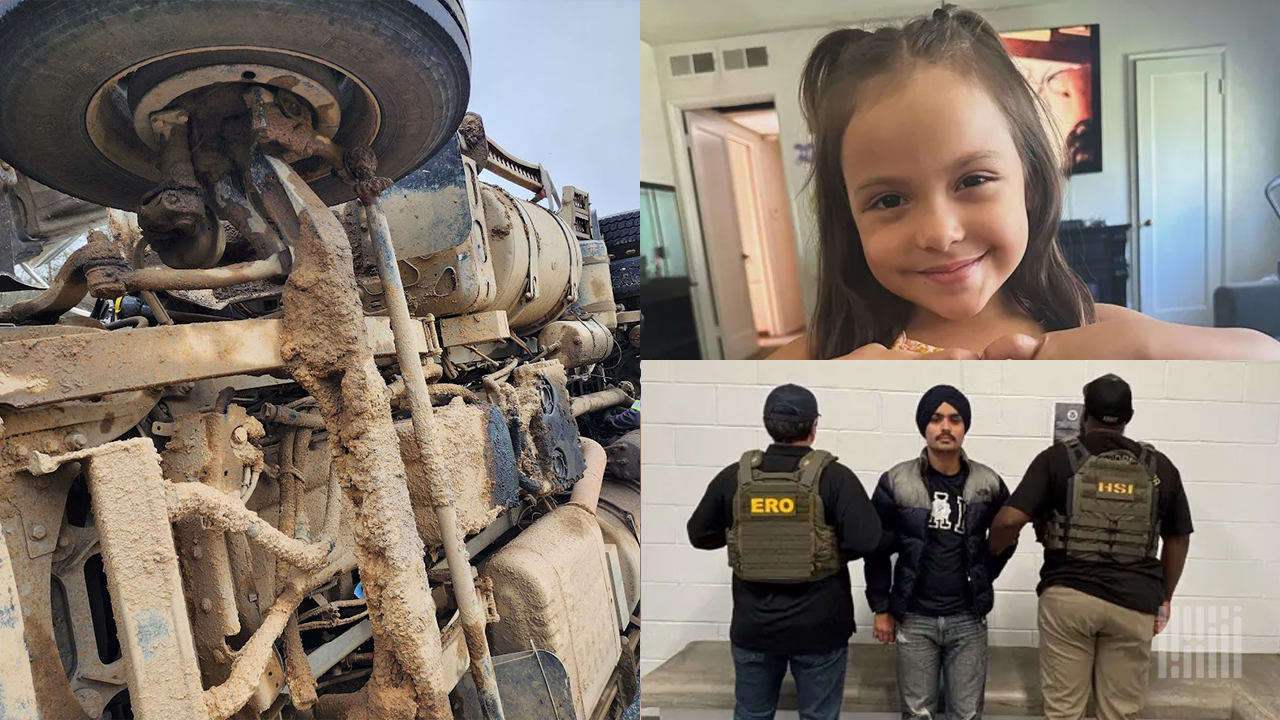
Congress has named a bill after a five-year-old girl, Dalilah, who is unable to walk, talk, or eat after being struck by a driver with an illegally issued Commercial Driver's License (CDL) traveling at over 60 miles per hour. Senator Jim Banks introduced the Dalilah Law in February of this year. While I have previously detailed the bill's provisions, its strengths in English proficiency and lifetime CDL disqualification, and its shortcomings, I have yet to discuss its intersection with another significant legal development that will shape industry accountability for crashes in 2026 and beyond: *Montgomery v. Caribe Transport II*. This case is currently before the United States Supreme Court, with oral arguments scheduled for March 4th.
Many discuss these issues, but few grasp the full scope and context of the situation. From a distance, CDL reform and broker liability might appear as separate concerns. However, from the perspectives of a driver, fleet owner, former executive, and freight broker turned risk and crash litigation specialist, they are inextricably linked. They represent the same fundamental problem, simply dressed differently. The reason for this is that the freight most susceptible to being transported by drivers with fraudulently obtained CDLs, 'chameleon carriers,' 'reincarnated authorities,' or operators with disqualifying out-of-service rates is precisely the type of freight...