
Analysis: Port Poker and the East Coast Dock Strike
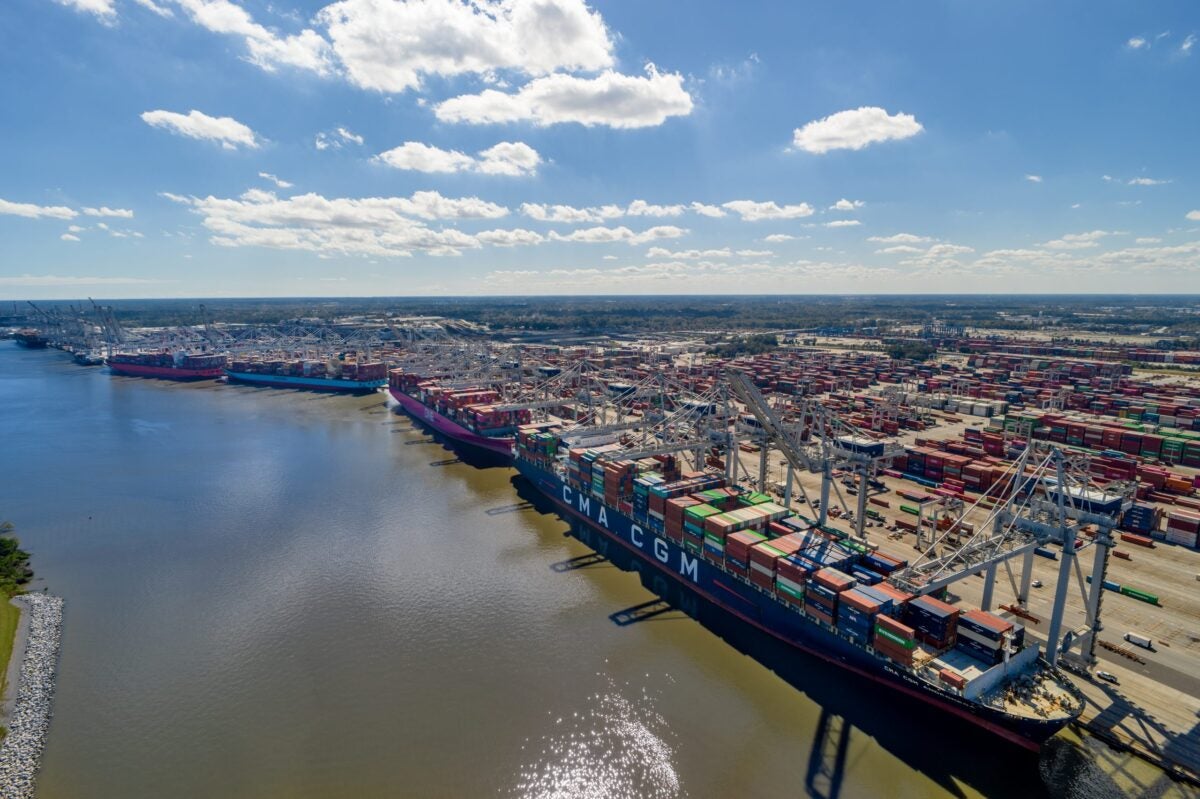
"The sweetest words are, 'Here is your end (of the bargain),'" so a time-honored saying goes. That’s never more true than in union negotiations where just about every player has a piece of the action, and particularly in the current bargaining between port employers and union dockworkers at three dozen ports on the U.S. East and Gulf coasts, a public-private kerfuffle that’s already gone all the way to the White House. Unlike contract talks between, say, baseball team owners and the players union, which take place under a glare of 24-hour media, bargaining on longshore contracts is notoriously confidential, shrouded in secrecy save for occasional dueling news releases that only succeed in flattening the actual drama that threatens to hold hostage a good chunk of a U.S. (and global) goods economy that’s bigger in value than all the professional sports leagues put together. The rare leak of actual contract details is promptly disavowed as stakeholders wait anxiously for the next announcement. That’s about how it’s gone during the current round of bargaining between port employers represented by the United States Maritime Alliance and the International Longshoremen’s Association, which count 25,000 workers in container and ro-ro services at ports from Maine to Texas. Whatever talks were taking place came to an abrupt halt in June when the union refused to buy what the employers were selling. The ILA, led by President Harold Daggett and his son, Exec