
Shifting Routes and Early Peak Boost Port Volumes Amidst Supply Chain Disruptions
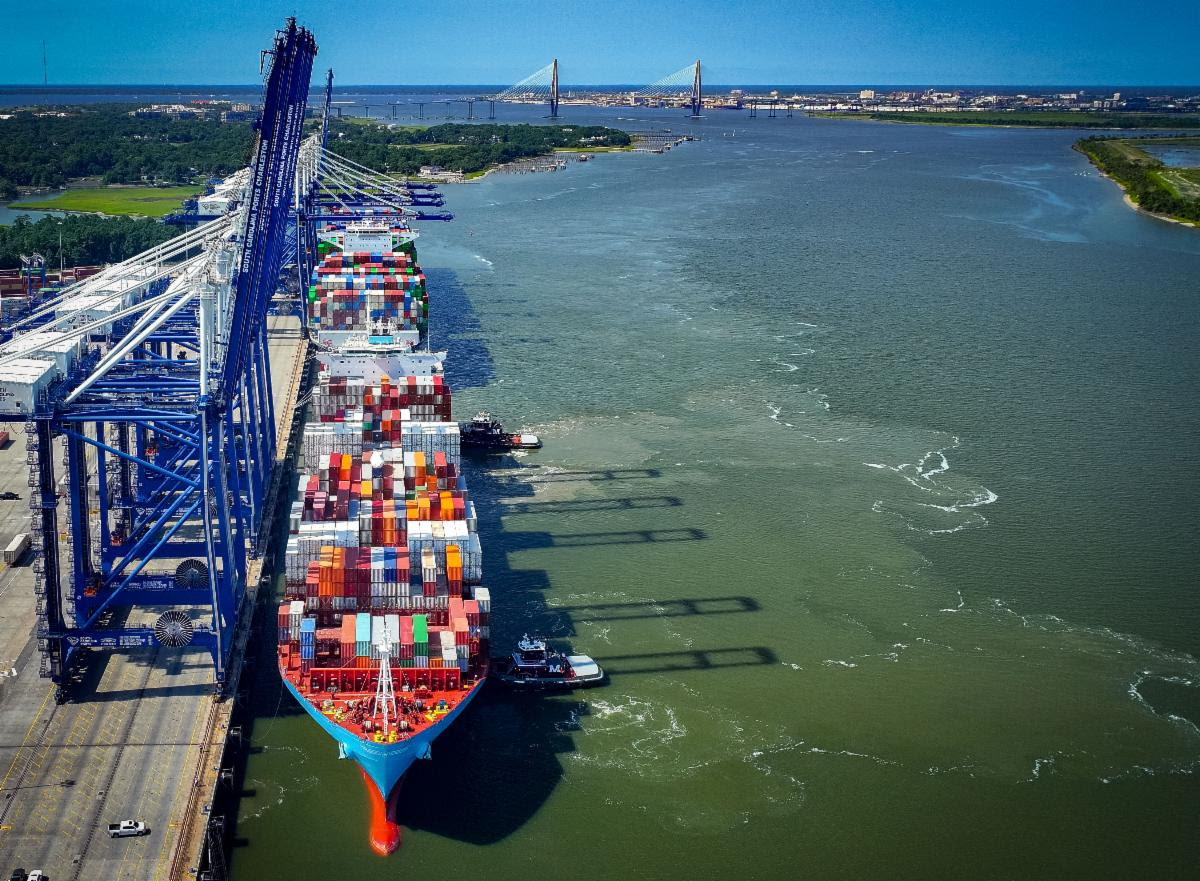
The latest port throughput figures reveal the impact of numerous unforeseen events that have disrupted global supply chains and led to congestion at major terminals worldwide. These disruptions, including the pandemic, conflicts in Ukraine and the Middle East, the Ever Given's Suez Canal blockage, and drought affecting the Panama Canal, have created a chaotic and volatile shipping environment. This turmoil has significantly challenged the industry, with shippers' responses now reflected in recent port volume data released by Alphaliner. The figures indicate that shippers have been frontloading freight in anticipation of peak season. Eleanor Hadland, senior analyst for ports and terminals at Drewry Shipping Consultants, described the industry's experience since the 2008 currency crisis as a "rollercoaster," with the past five years being particularly turbulent. In response to these shifts, shippers are actively seeking to minimize the impact of current supply chain disruptions and to prepare for future events, such as the potential US East Coast strike slated for October 1st if no new contract is reached. Current disruptions stemming from Red Sea diversions, a result of the Middle East conflict, have seen cargo rerouted around the Cape of Good Hope. This has absorbed significant surplus capacity, driven up freight rates, and initially contributed to congestion.