
India Prepares to Level the Playing Field Between Landlord Terminal Concessionaires and Private Ports
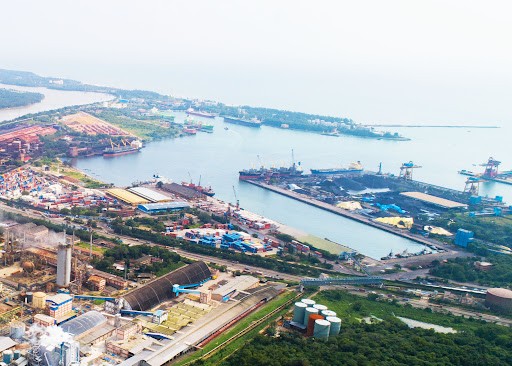
Marine terminal companies operating under concessions at India's major landlord ports will soon have a better chance to compete with private ports, a sector increasingly dominated by the Adani Group. The government has issued revised draft policy guidelines that permit older terminals, operating on a build-operate-transfer (BOT) basis, which were negatively impacted by an ineffective pricing system, to transition from regulated service rates to a market-driven tariff system. The Indian Shipping Ministry stated in its preliminary document, "In the past, tariffs were regulated due to limited competitive landscape, but the evolving market and competitive landscape necessitates deregulation." The ministry also highlighted, "The original objective of introducing tariff regulations in 2005 included, among other things, safeguarding user interests while ensuring fair returns for the port and encouraging competition and efficiency." It further added, "The long-term objective outlined in the 2005 tariff guideline was competitive pricing. The market and competitive landscape in the Indian port sector has since undergone a significant shift." The Tariff Authority for Major Ports (TAMP) was responsible for setting and approving tariff rates for public-private partnership (PPP) terminal projects. The royalty payments required to be shared with landlord ports or the government had been a major point of contention and a source of difficulty as competition intensified.