
Ships Queue at US Ports as Dockworker Strike Enters Third Day
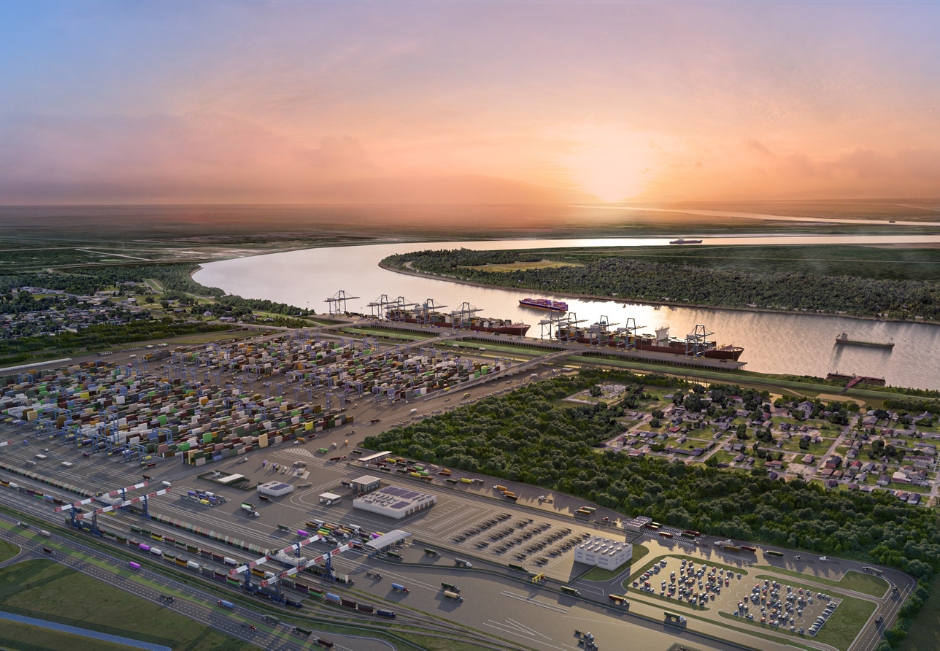
Long lines of container ships lined up outside major U.S. ports on Thursday as the biggest dockworker strike in nearly half a century entered its third day, preventing unloading and threatening shortages of everything from bananas to auto parts. No negotiations were scheduled between the International Longshoremen's Association and employers, but the port owners, under pressure from the White House to hike their pay offer to land a deal, signaled late on Wednesday they were open to new talks. "The longer this goes on, the more we're going to start to feel this impact," Transportation Secretary Pete Buttigieg said on MSNBC. "You simply can't have supply chains operating well unless these ports on the East Coast and the Gulf Coast are up and running." At least 45 container vessels that have been unable to unload had anchored up outside the strike-hit East Coast and Gulf Coast ports by Wednesday, up from just three before the strike began on Sunday, according to Everstream Analytics. "Many seem to have decided to wait it out, possibly in hopes of a prompt resolution to the strike action, rather than taking the proactive decision to divert," Everstream's Jena Santoro said in a video presentation seen by Reuters. She said the vessel backlog could double by the end of the week, and that the resulting congestion could take weeks, if not months, to clear. One alternative would be to sail to West Coast ports on the other side of the country, likely using the Panama Canal, a journey of thousands of miles.