
Logistical Repercussions of US Port Strikes: Expert Analysis
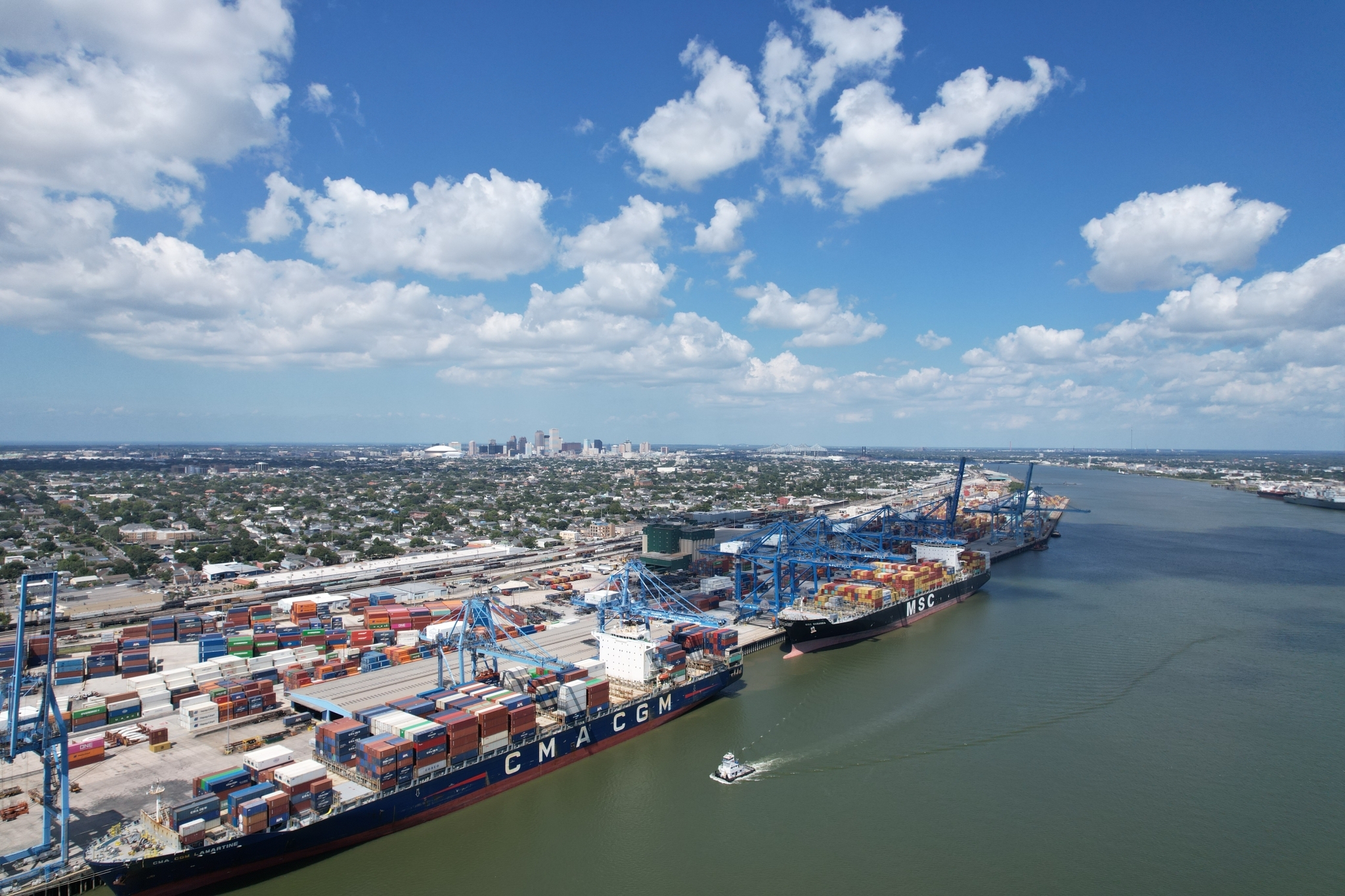
A strike initiated on October 1st has impacted 36 ports along the US East Coast and Gulf of Mexico, extending from Maine to Texas. This industrial action is poised to significantly disrupt global supply chains. These terminals are crucial nodes in international trade, serving as vital conduits for goods moving between Asia, Oceania, Europe, and importantly, Poland. States such as Texas, Georgia, Louisiana, and Pennsylvania are major importers of Polish goods, with these eastern ports acting as their primary logistical entry points. Projections indicate that approximately 15% of global shipments could be affected, with repercussions extending beyond the US to Canada and Mexico. Furthermore, even a swift resolution to the strike will likely lead to prolonged consequences. Some analysts estimate that each week of the strike could translate into 4 to 6 weeks of ongoing supply chain disruptions. The logistics sector thrives on efficiency, and port disruptions inevitably lead to delivery delays, port congestion, and escalating transportation costs, including added fees for congestion and cargo demurrage. Several shipping companies have already signaled that the commencement of these protests will necessitate the implementation of new surcharges. The situation at East Coast ports presents a significant challenge for businesses operating on a just-in-time delivery model. Industries like automotive and pharmaceuticals, which are highly sensitive to timely deliveries, may experience particularly severe impacts, as even minor delays can have substantial consequences.