
Newell Brands leans on tariff playbook again in 2026
Newell Brands leans on tariff playbook again in 2026
The Yankee Candle parent company is doubling down on strategies like sourcing shifts and automation to navigate a tariff impact of $130 million in 2026.
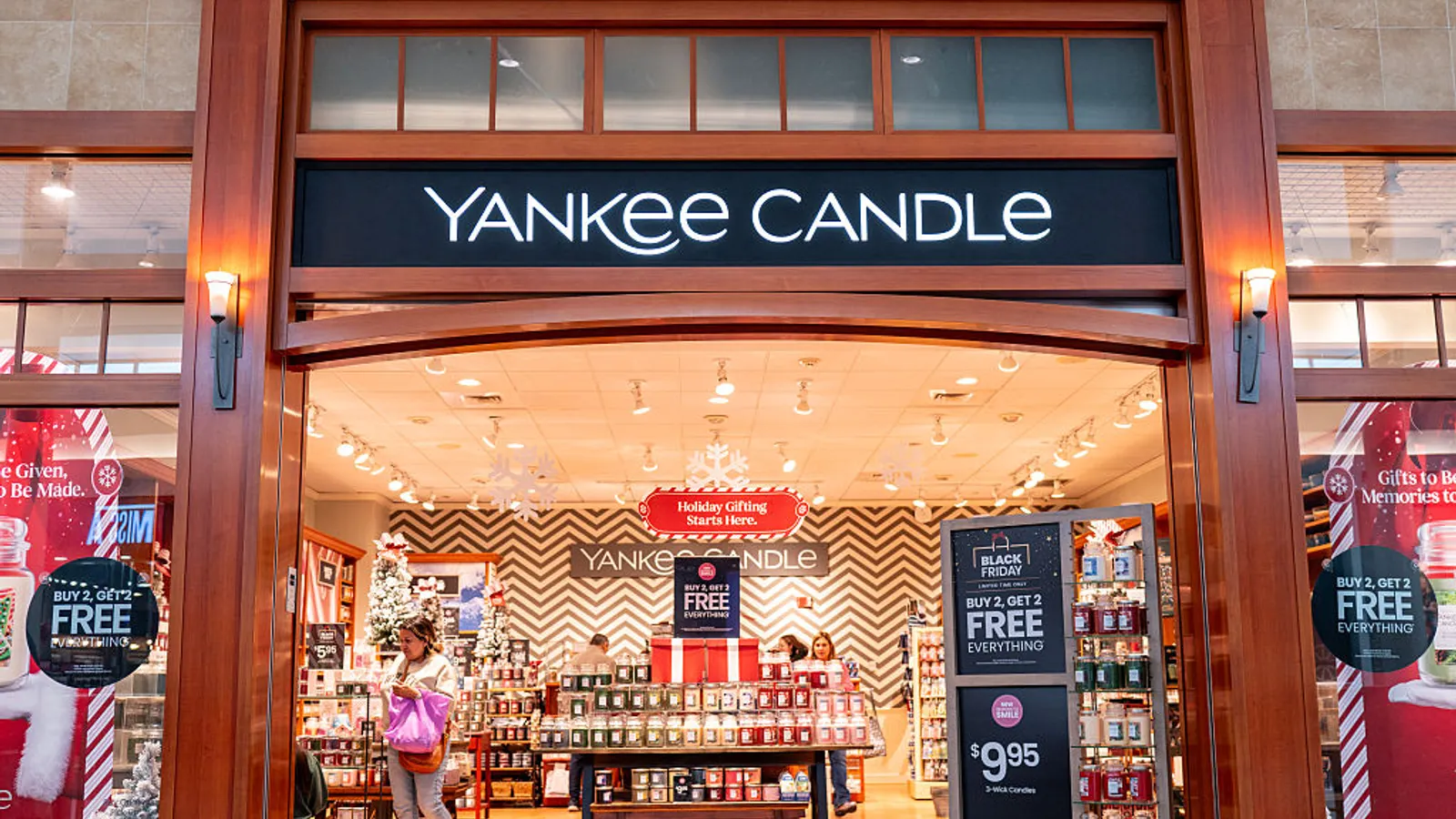
Published Feb. 26, 2026 Antone Gonsalves Reporter Customers shop at a Yankee Candle store on Dec. 1, 2025, in Austin, Texas. Parent company Newell Brands has reduced its production and supplier exposure in China to help avoid potential tariff increases. Brandon Bell via Getty Images Listen to the article 2 min This audio is auto-generated. Please let us know if you have feedback.Dive Brief:
- Newell Brands expects a total gross cash tariff impact of $130 million in 2026 after taking a $174 million hit last year, executives told investors on a Feb. 6 earnings call.
- The parent company of brands such as Rubbermaid and Yankee Candle is planning to use a tariff mitigation strategy similar to last year's to combat the impact, CFO Mark Erceg said on the call.
- “Our mitigation approach remains focused on sourcing actions, productivity, capturing tariff advantage business wins and targeted pricing,” the CFO said.
Dive Insight:
In July, President and CEO Christopher Peterson told investors the company was accelerating its production and supplier shift out of China to help avoid potential tariff increases.
Today, Newell’s China exposure is at 10%, down from 35% a few years ago, Peterson told investors.
“The decision to proactively diversify our supply chain away from China before tariffs even presented themselves has materially strengthened the resilience of our supply chain,” he said.
Newell executed three rounds of price hikes in 2025 in response to tariffs, Peterson said. Competitors quickly followed and largely caught up on pricing, eliminating some of the price gaps Newell faced last year.
In Q4 of last year, the company announced a global productivity plan as part of its mitigation strategy, Peterson said. The plan aimed to enhance competitiveness and simplify processes by increasing the use of automation, digitization and artificial intelligence.
Additional productivity efforts include taking about 10 days out of production lead time over the last year, Peterson said.
“And that effectively allows us to respond much more in real time to consumer demand shifts without having to pre-stage extra working capital,” he said.
This story was first published in our Procurement Weekly newsletter. Sign up here.
Recommended Reading
- Newell accelerates production shift out of China By Kate Magill • Aug. 26, 2024