
LOGISTEED and REXEV Partner to Accelerate EV Truck Electrification in Japan
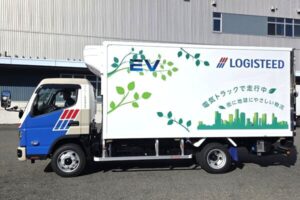
LOGISTEED and REXEV have launched a collaborative demonstration project designed to expedite the transition to electric vehicles within Japan's logistics sector. The initiative focuses on optimizing energy management for electric truck fleets under actual operational scenarios.
The project involves integrating electric trucks into LOGISTEED's delivery services, simultaneously deploying REXEV's advanced energy management and control technologies. The goal is to enhance the efficiency of electricity consumption and improve overall operational performance.
REXEV's expertise will be applied in three key areas: reducing fixed electricity costs by monitoring and controlling peak power demand; lowering charging expenses by synchronizing truck schedules with fluctuations in electricity market prices; and evaluating the potential for electric truck batteries to provide grid services, such as capacity and supply-demand adjustments, during non-delivery hours.
This joint effort addresses two critical issues confronting Japan's logistics industry. Firstly, the environmental challenge: freight transportation, heavily reliant on trucks, contributes roughly 20 percent of Japan's domestic CO2 emissions, making emission reduction a high-priority objective. Secondly, the structural '2024 logistics issue' in Japan, characterized by a shortage of drivers and stricter regulations on driver overtime, which poses a significant risk to cargo transport capacity.
Consequently, solutions that simultaneously boost transport efficiency and mitigate environmental impact are becoming indispensable.