
The chokepoint that shows whether we have learnt anything
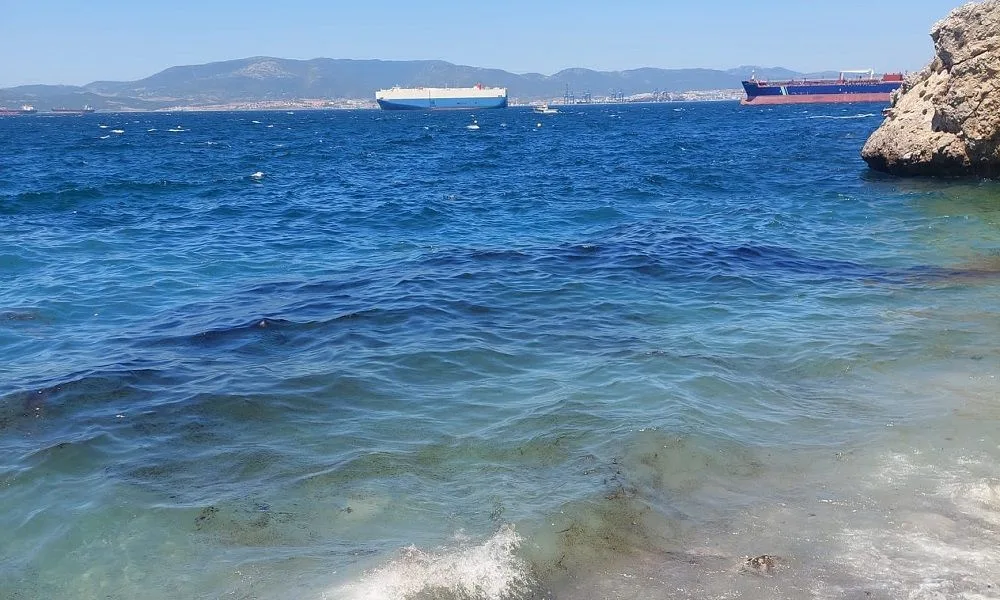
<strong><em>Wolfgang Lehmacher discusses the Strait of Gibraltar.</em></strong>The Strait of Gibraltar is treated as a passage, not a system. That view might be too limited. The 14-km gap between Spain and Morocco is emerging as a test of whether we can run a maritime chokepoint as a governed trade corridor rather than a strip of water we simply hope will stay open.Roughly 100,000 ships pass through the Strait each year, carrying a sizeable share of global seaborne trade. On the European side, the Bay of Algeciras hosts one of the Mediterranean’s busiest ports. Across the water, Tanger Med has become Morocco’s primary import-export platform, handling more than half of the country’s exports and most of its export truck flows. Stand on the quay at dawn and the strait looks less like a postcard than a conveyor belt of ships and trucks.Four forces meet in this confined space: climate policy, security, data-driven port operations, and hard-edged competition. They will determine whether Gibraltar becomes a shock absorber for a more volatile world, or another point where crises emerge.The first force is climate policy. Europe has extended its emissions trading system to shipping, pulling a considerable part of emissions from voyages into and out of EU ports into its carbon market. For Gibraltar, the detail that matters is the ‘neighbouring transhipment port’ rule designed to stop lines ducking carbon costs by routing via nearby non-EU hubs. Tanger Med, despite sitting outside the EU, suddenly finds European climate rules reaching across the Strait and into its business model.The second force is security. Red Sea attacks and Panama’s drought have shown how fast trouble at someone else’s chokepoint becomes everyone’s problem. Recent research on 24 key maritime chokepoints estimates that disruptions put at risk trade flows of around $192bn a year and generate roughly $14bn in direct and freight cost losses. A serious disruption at Gibraltar would be felt in Moroccan factories that supply European carmakers, and in Spanish supermarkets that sell North African produce.Third, the revolution regarding how ports operate. Tanger Med has built an end-to-end digital platform with dematerialised procedures and integrated logistics and industrial zones behind the quay, designed as much around data as cargo flows. Algeciras has pushed port call optimisation, real-time planning, and digital twin projects while integrating itself into rail and road corridors into the hinterland.The easy way to frame this is as a beauty contest: which side of the strait can shave a euro off port costs or a day off dwell time.The deeper question is almost the opposite of today’s policy instinct. The rush to route around chokepoints by building ever more alternative corridors risks multiplying the points at which the system can fail.In its maritime review, the UN stresses that chokepoints should be governed as system-wide infrastructure rather than mere transit lanes. Gibraltar is where Brussels and Rabat should prove it: with interoperable port systems, joint cyber drills and a shared decarbonisation timetable. The question is whether this will remain two parallel networks or become a governed corridor.Policymakers and businesses share this decision. Shipping lines, terminal operators, and shippers are not only victims of chokepoints they claim not to control; the same actors that arbitrage routes and re-flag ships can insist that Gibraltar becomes a managed, resilient asset. If they do, future bottleneck crises will still hurt, but the damage will be contained faster, spread less widely and affect fewer people. This would be a radical change for a thin strip of water at the edge of two continents.