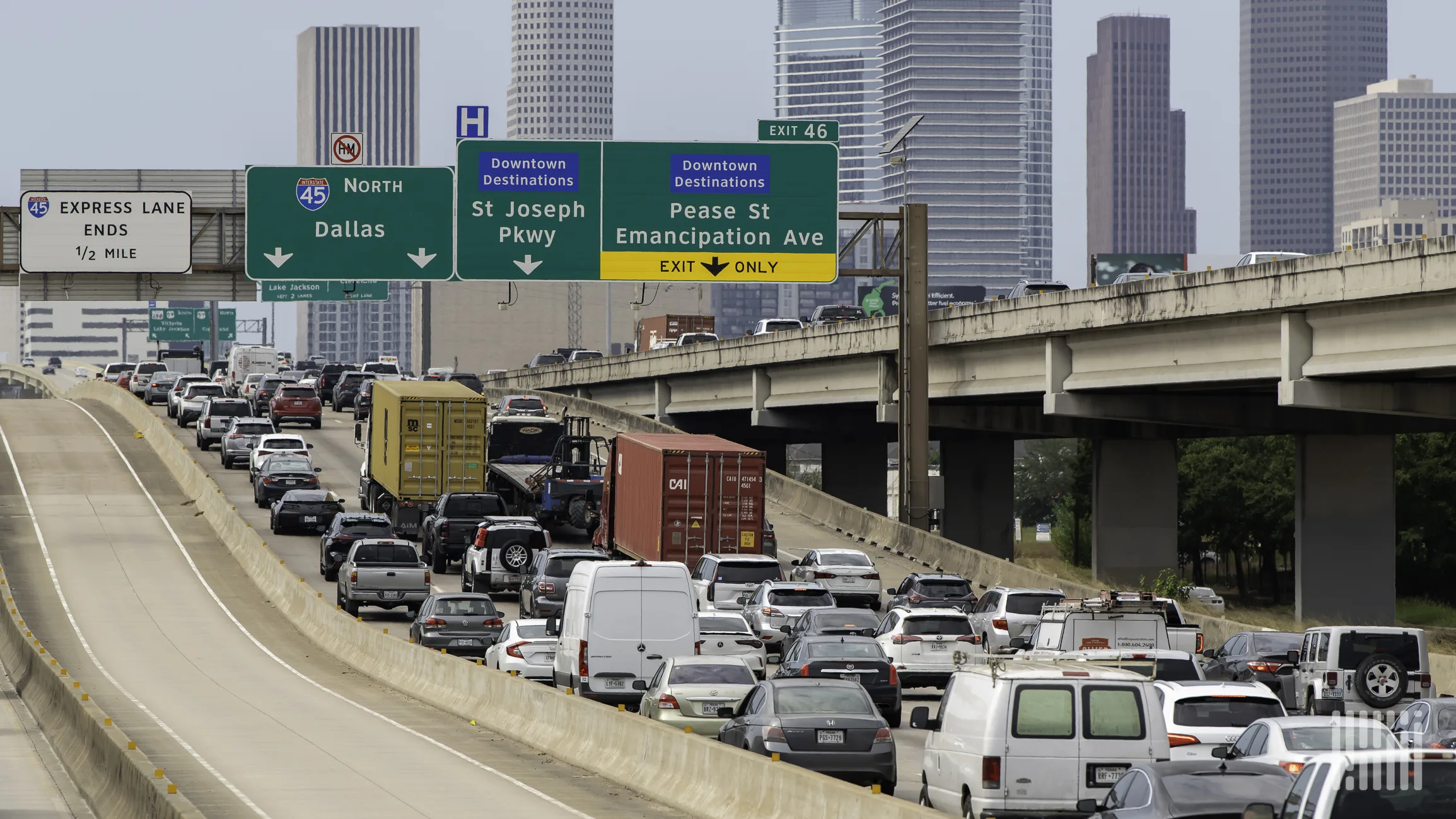
WASHINGTON — The U.S. Department of Transportation is opening a significant opportunity for supply chain professionals to point federal researchers toward the specific bottlenecks – whether physical, digital, or regulatory – currently choking the flow of commerce.
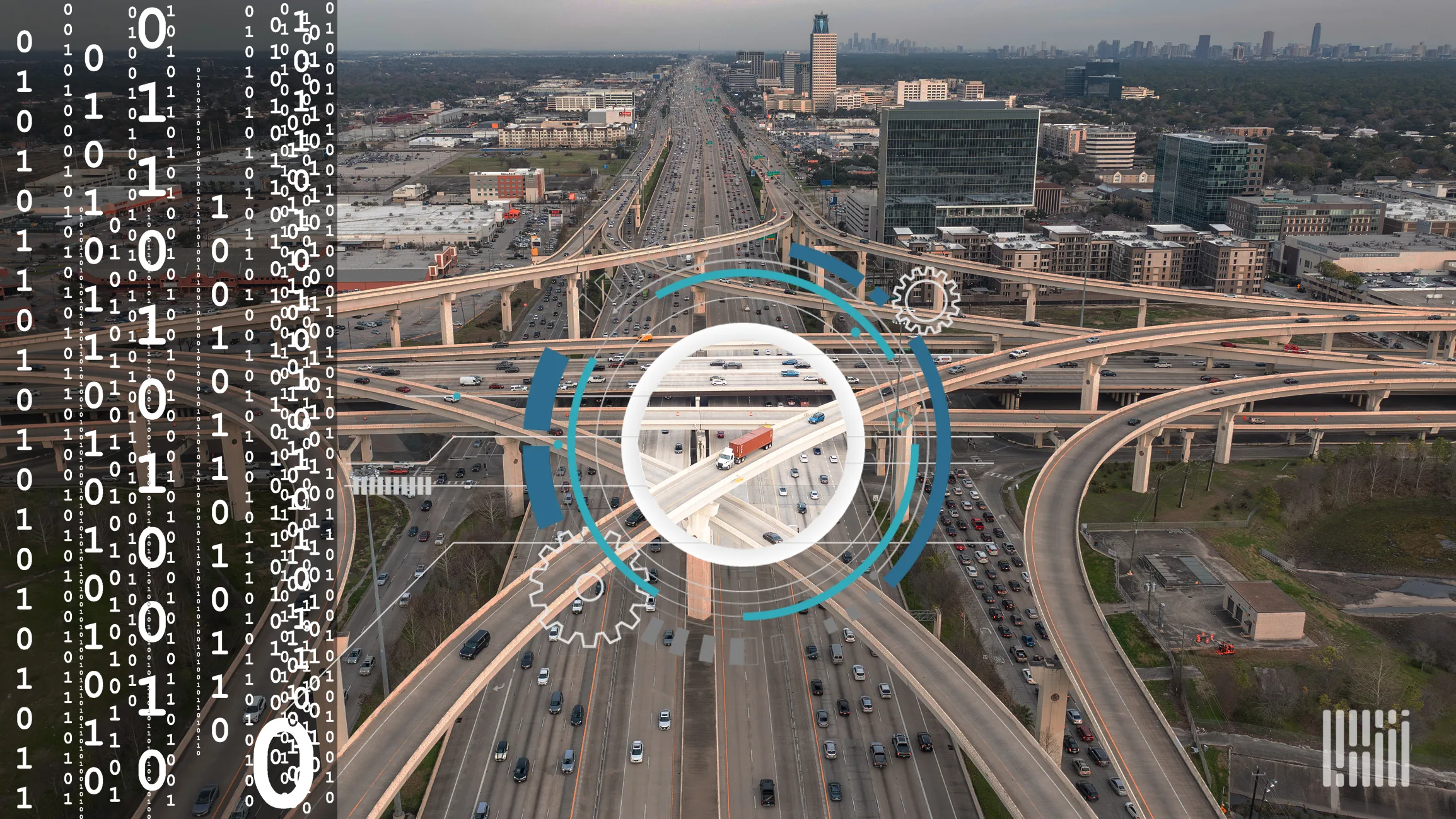
DOT issued on Tuesday a Request for Information (RFI) to shape its Research, Development, and Technology Strategic Plan for FY 2026-2030. Unlike previous cycles, this plan is being drafted with a focus on improving goods mobility and reducing congestion, considered by some to be the single most expensive and disruptive point of failure in a supply chain.
Michael Rutherford, DOT’s Assistant Secretary for Research and Technology, the office that published the RFI, said congestion mitigation will be a priority in an updated National Freight Strategic Plan, which DOT plans to publish in the coming weeks.
“We want to see a more focused and more nuanced discussion of freight bottlenecks,” Rutherford said during a panel discussion at the Transportation Research Board, which is meeting in Washington, D.C. this week.
“Where is congestion already showing signs of infrastructure failures? Where instead is travel time reliability indicating a need for better traffic management? How should we think about these relative bottlenecks, not only in their own terms but also in the broader context of changes that promise to reshape future demands on our nation’s freight network?”
Federal law requires the Secretary of Transportation to develop a five-year plan to guide all federal transportation research activities. DOT’s mandate covers several areas vital to goods movement, including improving mobility, reducing congestion, and promoting safety.
The RFI also highlights the need to improve the durability and life of infrastructure and reduce transportation cybersecurity risks – two issues that have become flashpoints for supply chain resilience in recent years.
Questions for industry
DOT is inviting the public to weigh in on a list of questions that will help dictate how tax dollars are allocated, including:
- How should the DOT invest in research over the next 5 to 25 years to ensure a fluid multimodal system?
- What social, economic, and technological shifts are currently influencing transportation?
- What steps should the DOT take to ensure that research results move from the testing phase and into the real-world transportation system?
- How can DOT develop national standards that drive interoperability across different modes of transport?
Comments are due by February 12.
Related articles:
- DOT advisors push massive freight tunnel, truck-parking projects
- Sharp turn ahead for US transportation policy?
- DOT vulnerability report: truck driver pay, ocean shipping reform
Click for more FreightWaves articles by John Gallagher.
The post Feds seek input on solving supply chain bottlenecks appeared first on FreightWaves.