When safe manning isn’t safe
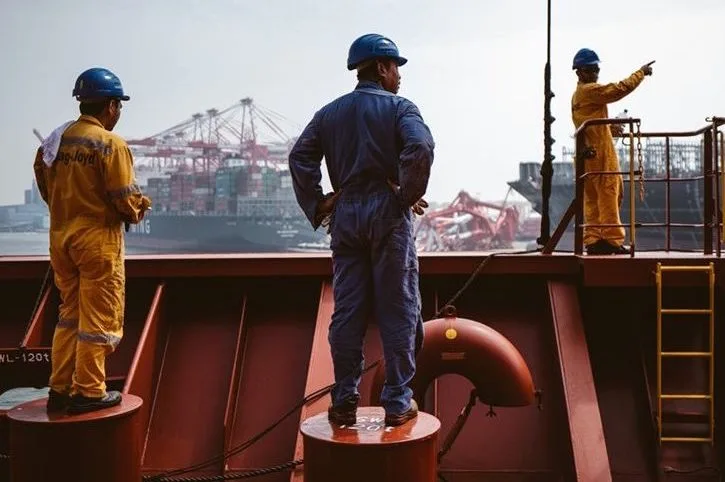
<strong><em>Captain Pradeep Chalwa, CEO and Founder of MarinePALS, writes on a key issue being discussed right now at the International Maritime Organization. </em></strong>Over the years, the industry’s safety record has improved significantly. We have made major advances in technology and equipment, from GMDSS, ECDIS, ENC to satellite communications, AIS, EPIRBsWe have introduced new regulations such as the Maritime Labour Convention (MLC) to improve the lives of seafarers and Ballast Water Management requirements to protect the seas. Conventions have been revised and expanded; SOLAS, MARPOL, and STCW are now far more detailed.Monitoring regimes have also become stricter. Port State Control, SIRE, RightShip, CDI inspections, and terminal vetting processes all scrutinize compliance. However, the associated documentation such as logbooks, checklists, and reports has significantly increased the workload on board.While intentions were good, the simultaneous reduction in crew numbers (justified by claims that improved technology increases efficiency) has brought the debate on manning scales and fatigue once more into focus.At the upcoming IMO HTW 12 meeting, discussions have taken place on a Scoping Exercise and Enhancement of the Effectiveness of Provisions on Fatigue and Seafarers’ Hours of Work and Rest. A correspondence group is expected to be formed, followed by a working group at HTW 13.Numerous studies show that seafarers openly admit to taking liberties with recording work and rest hours. The reason is simple – there are simply not enough crew onboard to complete all required tasks within regulatory limits. The message from seafarers worldwide is clear: “Enough is enough.”Their perception is that the priority must always be adherence to the schedule. Ports, charterers, and other stakeholders dislike delays with the justification that “Time is money”.Whenever the Principles of Safe Manning resolution is reviewed, the same debates recur with a reluctance to engage with the issue. Countries with high crew wages resist discussions on increasing manning levels citing the need to compete with rail and road transport. Local laws such as employment protections further increase crew costs. Flags compete to be attractive and are therefore reluctant to insist on higher manning levels. While NGOs and associations struggle to adopt strong, unified positions. As a veteran of 50 years in working in maritime at sea, and ashore leading QHSE and Training, I have attended IMO and industry meetings, spoken directly with seafarers, and conducted accident investigations.Proving a direct correlation between fatigue and major accidents is difficult to establish conclusively. Yet surveys and firsthand accounts make one fact undeniable: ships are frequently operated by seafarers who have worked beyond regulatory limits, sometimes with minimal rest in 24 hours.With fatigue now under discussion in the context of STCW and ISM revisions, there is hope that the matter will now receive serious attention. This hot potato must be handled calmly and maturely, avoiding repetition of the old arguments.This is not a simple issue to resolve – fatigue varies by ship type, trade, and operating profile. A VLCC or VLOC on long ocean passages faces different challenges to a chemical tanker in short-sea Northern European trade. A 20,000 teu container vessel on long-haul routes is not comparable to a feeder vessel making seven port calls in five days.Trading area matters. Ships navigating the Mississippi, the Great Lakes, or the North Sea face greater rest-hour compliance challenges than those on transoceanic routes. Weather, high-traffic density, and fishing vessel concentrations further complicate compliance.These realities are well known. The challenge is finding solutions acceptable to opposing viewpoints. I propose several practical principles:<strong>Principle 1</strong>All flags must agree not to compete by issuing manning certificates below an agreed minimum. At a minimum, a Master and three navigation watchkeepers are essential.<strong>Principle 2</strong>Sea areas should be categorised into zones: open ocean; within 200 nautical miles of the coast; within 50 miles; and within 12 miles. Stricter requirements should apply within 50 miles of the coast.<strong>Principle 3</strong>The number of port calls and days in port within a seven-day period must be key criteria in defining minimum manning.<strong>Principle 4</strong>Ship size and type should be considered alongside operational intensity. Vessels with frequent port operations require higher crew complements.Some may argue that goal-based guidance in the Safe Manning resolution already addresses these issues and that owners must notify flags when trading patterns change. That leads to another essential principle.<strong>Principle 5</strong>Flags should actively monitor port calls and trading patterns. With AI-driven commercial vessel-tracking platforms, automatic alerts and oversight are entirely feasible.<strong>Principle 6</strong>Exemptions must be strictly controlled. Flags should agree not to dilute standards. Penalties for wilful non-compliance or fraudulent declarations must be strengthened. Often, ISM Document of Compliance companies act under the direction of shipowners, who ultimately control financial decisions.When interpretations and enforcement vary between flags and port states, the result is an uneven playing field. The industry seeks uniformity. If regulations are applied consistently, ensuring no local advantage, owners and managers will comply. Correspondence and working groups must therefore focus on practical realities and establish a truly level regulatory framework.The voice of seafarers must be heard. Debate should continue, across sessions if necessary, making proper use of research findings and taking the lived experiences of seafarers as a guide to rule making.After major accidents, there is often a surge of activity and declarations that “this is unacceptable.” Yet underlying weaknesses – regulatory gaps and inconsistent interpretation – are not consistently addressed worldwide.In a time when the global rules-based order faces broader challenges, technical bodies must remain united in safeguarding seafarers. The safety and wellbeing of seafarers must remain central.Seafarers’ lives matter.