Strategic oversight can build resilience to water scarcity, reducing its impact on supply chains
As water becomes scarcer across many regions due to factors like climate change, population growth, increased industrial demand, and unsustainable usage, its critical role in economic growth makes shortages especially challenging for sectors like agriculture, industry, energy, and transportation. This article takes a closer look at how water scarcity disrupts supply chains—from raw material sourcing to production and logistics—and why efficient water management is so important in tackling these risks.
How Water Scarcity Impacts Supply Chains
Water is essential for producing key raw materials, particularly in agriculture, mining, and energy sectors. When water supplies dwindle, these industries may face slower production and rising costs, which ripple through supply chains and affect the availability of materials for manufacturing. For example, water shortages can reduce yields of water-intensive crops like cotton, corn, and soybeans, raising prices and risking shortages that affect food and textile supply chains.
Industries with high water needs, such as food and beverage, textiles, and semiconductor manufacturing, are especially vulnerable. In the food and beverage industry, for instance, water is vital for processing, packaging, and sanitation. Restrictions or shortages can delay production, reduce goods’ availability, and disrupt distribution networks. The textile industry, which depends heavily on water for dyeing and processing, faces similar risks, as does semiconductor manufacturing, where ultrapure water is essential for cleaning and processing wafers. Delays here can impact global tech supply chains since semiconductors are vital to electronics and automotive manufacturing.
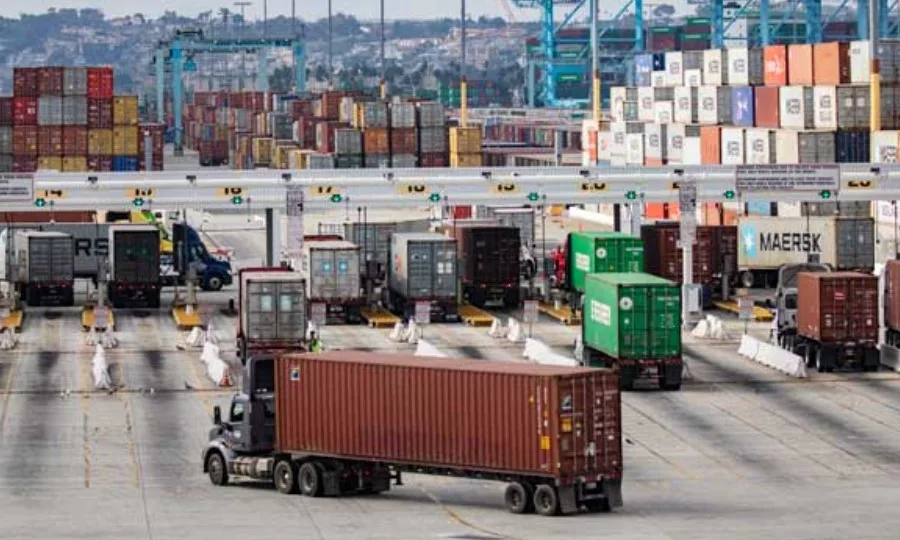
Even the logistics that connect supply chains aren’t immune. The transportation sector needs water for cooling, cleaning, and sanitation; shortages can disrupt shipping and rail services, causing bottlenecks and delays.
Building Resilience with Efficient Water Management
While water scarcity poses an increasing challenge for industries, efficient management of water resources can help reduce the risks. Some strategies that can help supply chains build resilience to water shortages include:
- Conserving Water: Businesses across various sectors can reduce their water consumption by implementing water-saving practices and adopting water-efficient technologies. For example, agriculture can switch to water-wise irrigation systems such as drip irrigation, while industries can install water reuse systems that recycle wastewater for reuse onsite. By adopting technologies that conserve water, businesses can also reduce their water bills, and ultimately their operating costs.
- Investing in Water Infrastructure: Investing in water infrastructure such as dams, reservoirs, and water pipelines can allow water to be harvested and stored in the wet months to ensure that there is a reliable backup water supply during the dry months. Businesses can also install rainwater and stormwater harvesting systems on their premises. The harvested rainwater/stormwater can be used for applications such as irrigation or industrial processes to reduce their demand on freshwater supplies or to serve as a backup supply when water is scarce.
- Alternative Water Supplies: Finding alternative water sources to traditional freshwater supplies such as treating wastewater for reuse or desalination can provide a reliable and sustainable source of water for industries and agriculture. Water reuse is increasingly being adopted as a cost-effective solution for non-potable applications, while desalination, particularly brackish water desalination, is becoming more affordable and accessible, providing another potential water source to meet industrial and municipal demands.
- Water Reuse: Wastewater, which is typically viewed as a liability, can be treated to make it suitable for reuse onsite for nonpotable applications such as cooling or irrigation. This not only reduces dependence on external freshwater supplies but can also significantly lower costs associated with water consumption and wastewater disposal.
Benefits of Efficient Water Management
Taking steps to manage water more efficiently not only conserves water, it can benefit businesses in several ways. By lowering their water consumption, the costs associated with water use will be reduced together with any penalties that the business may have incurred for overuse, ultimately leading to reduced operating costs. Having a reliable water supply also helps to reduce the risk of downtime due to water shortages, helping to build resilience to water scarcity in supply chains.
Managing water resources efficiently and sustainably can help protect waterways and the ecosystems they support from the environmental impacts associated with over-extraction and pollution, promoting sustainable economic development.
Water scarcity can disrupt production across sectors, causing a knock-on effect on supply chains. The impacts on supply chains and profitability can be mitigated by managing water more efficiently, having a reliable backup supply, and tapping into sustainable alternative water sources. By utilizing water more efficiently and adopting innovative solutions, businesses can become more resilient to water scarcity while supporting sustainable water management.