
Trump’s Iran squeeze fuels tanker volatility
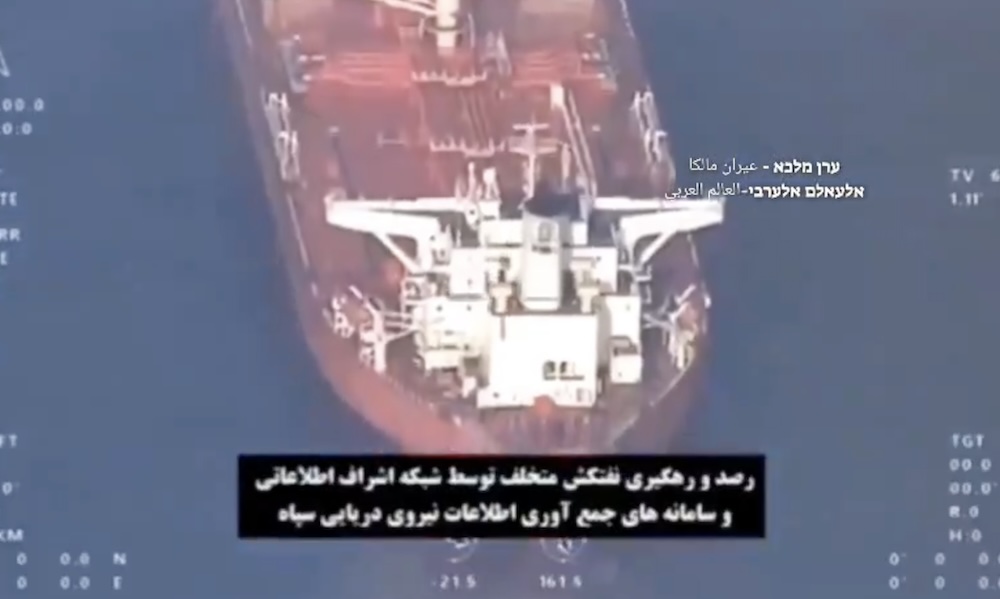
Shipping markets are bracing for heightened volatility as tensions around Iran spill over into trade, energy and maritime security, with US president Donald Trump escalating both economic and military threats.Trump announced on Monday that the US will impose a 25% tariff on goods from any country conducting commercial business with Iran, warning that the measure is “final and conclusive”. The move comes amid widespread unrest inside Iran, with human rights groups reporting more than 600 deaths during anti-government protests over the past three weeks.The US president has also sharpened his military rhetoric, saying Washington is weighing “very strong options” should the violence worsen. While Iran’s foreign minister has said Tehran remains open to talks, he added the country is “prepared for war”. Iran, in previous moments of heightened military tension, has discussed closing off the Strait of Hormuz. On Sunday, a senior politician in Tehran warned international shipping would be targeted in the event of the US attacking. Trump’s national security team is due to meet today at the White House to discuss Iran-related options.From a tanker market perspective, broker BRS notes that Iran continues to export around 1.6m barrels per day, almost entirely shipped on grey fleet tankers to China. However, BRS warns that if the situation deteriorates – especially against the backdrop of disruptions in Venezuela – China could pivot towards alternative Middle Eastern sour crude. Such a shift would replace grey fleet demand with mainstream tonnage, potentially boosting VLCC and suezmax hire rates in the region.According to Kpler and Vortexa data, Iran’s oil on water storage close to China have peaked at all time highs of between 166m and 170m barrels.Container shipping exposure is far more limited. Judah Levine, head of research at Freightos, a box booking platform, pointed out that while roughly 20% of global oil supply moves through the Strait of Hormuz, only about 2% to 3% of global container volumes transit the chokepoint. Any disruption would therefore be regional rather than systemic, though Levine cautioned that a closure would effectively cut off access to Jebel Ali, the Middle East’s most important transhipment hub, forcing rerouting via South Asia and creating temporary congestion and upward rate pressure.Amid the rising tension, there was a rare de-escalatory signal this week. Maritime intelligence firm TankerTrackers.com revealed that Iran has quietly released the Marshall Islands-flagged, Greek-owned tanker St. Nikolas (pictured) after holding the vessel for two years.The tanker was seized in January 2024 while transiting the Gulf of Oman with Iraqi crude, in what was widely viewed as retaliation for the earlier US confiscation of the same vessel – then named Suez Rajan – and its cargo of Iranian oil. The release closes one chapter in a long-running cycle of tit-for-tat seizures that has repeatedly unsettled shipping through the Strait of Hormuz, even as the broader risks facing global shipping remain firmly elevated.The year 2026 has got off to two seismic shifts for global tanker patterns – the ongoing fallout from the unrest in Iran, and the January 3 toppling of the Nicolas Maduro regime in Venezuela by US special forces. Greek broker Xclusiv Shipbrokers said in a new report that the the events in Caracas serve as a “catalyst for a multi-year recalibration” of the tanker market. The logistical friction created by rerouting heavy crude flows will likely support tonne-mile growth well into 2026, Xclusiv forecast.“For shipowners, the defining challenge of the coming months will not be the availability of cargo, but probably the ability to provide the ‘clean’ technical and regulatory profile that modern chartering requires in this new era of geopolitical scrutiny,” Xclusiv advised.