Anti-bullying and harassment mandatory training is welcomed, but training alone will not solve the problem, writes Marinos Kokkinis, the CEO of OneCare Group.
The decision to make anti-bullying and harassment training mandatory for all seafarers from 2026 is long overdue, but if the maritime industry believes that training alone will fix the problem then it is not being honest with itself.
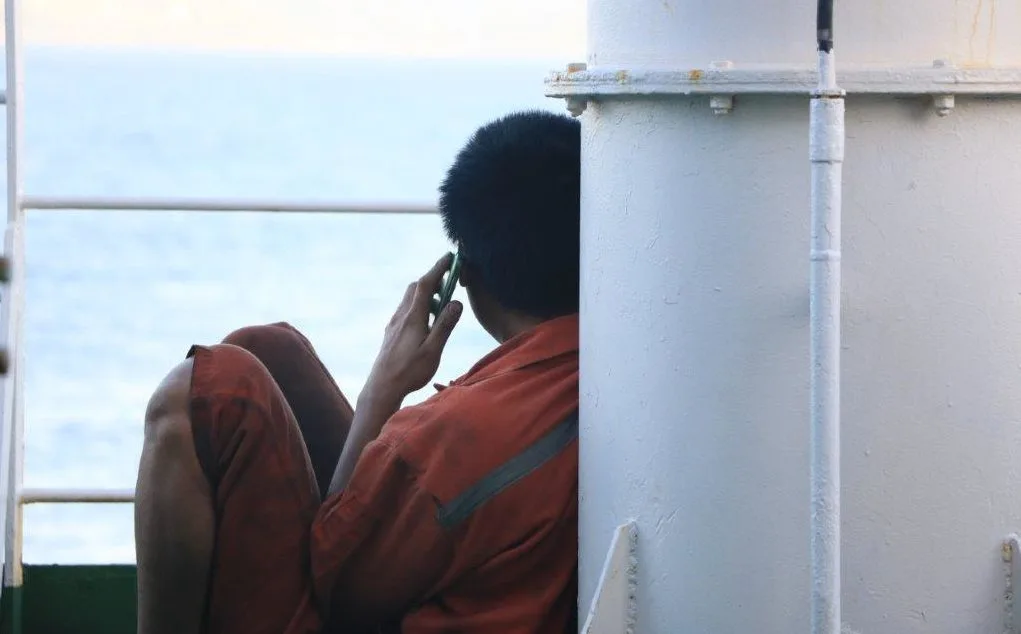
Bullying and harassment at sea have never been rare or isolated. They are deeply embedded issues that have been allowed to continue for too long. The structure of shipboard life often protects harmful behaviours. Rank, isolation, fatigue, and cultural divides create conditions where abuse can happen quietly, repeatedly, and without consequence.
The stories are not hard to find. Women being undermined, overruled, or reduced to stereotypes and LGBTQ+ crew members feeling forced to hide their identities. Crews from minority backgrounds singled out, ridiculed, or excluded, while young cadets are bullied under the guise of ‘toughening them up.’ Sadly, there are too many cases of victims keeping quiet because they are afraid of losing their job or having no one to turn to.
While all this depicts a bleak picture of life onboard, it is important to highlight there are many crews onboard ships who are accepting, inclusive and welcoming to many different cultures, and people with different sexualities or religious beliefs. Only earlier this year we heard from a seafarer who talked about how he was open about his homosexuality onboard and had received nothing but welcoming attitudes from his colleagues. As an industry, we must stand together to ensure this is the reality and incidents of bullying and harassment are the exception.
This is not just a behavioural issue, it is a leadership issue, a mental health issue, and a safety issue. Through a truly holistic approach where we involve all stakeholders in the industry, we can start to make a real difference with this long-rooted issue.
While mandatory training in 2026 is a necessary step, it must be more than a formality. If this becomes just another eLearning module followed by a tick in a box, the maritime sector will have missed the point entirely.
This training must reflect the real-life dynamics of life at sea. It must explore not just the obvious examples of bullying, but the quieter, more insidious behaviours that go unnoticed or unchallenged. The sarcastic comments passed off as jokes, the social exclusion of someone different, and the passive-aggressive use of silence or status to control. These are harder to pinpoint, but just as harmful.
Respect should not be conditional on rank, nationality, gender, or background. It should be the baseline for working at sea.
The 2026 training mandate can mark the beginning of that shift, but only if we treat it as the start of real change, not the end of the discussion. It is important to remember training is just one part of a broader shift the industry urgently needs. We need company cultures that reward empathy and accountability, not just efficiency. We need onboard environments where dignity is not something you earn through silence. And we need shore-side leadership to set the tone by making it clear that bullying in any form is unacceptable and will be dealt with.
If we can’t guarantee psychological safety for our crews, then all the talk of innovation, efficiency, and resilience will be pointless. You cannot lead a safe vessel when your people are afraid of each other.