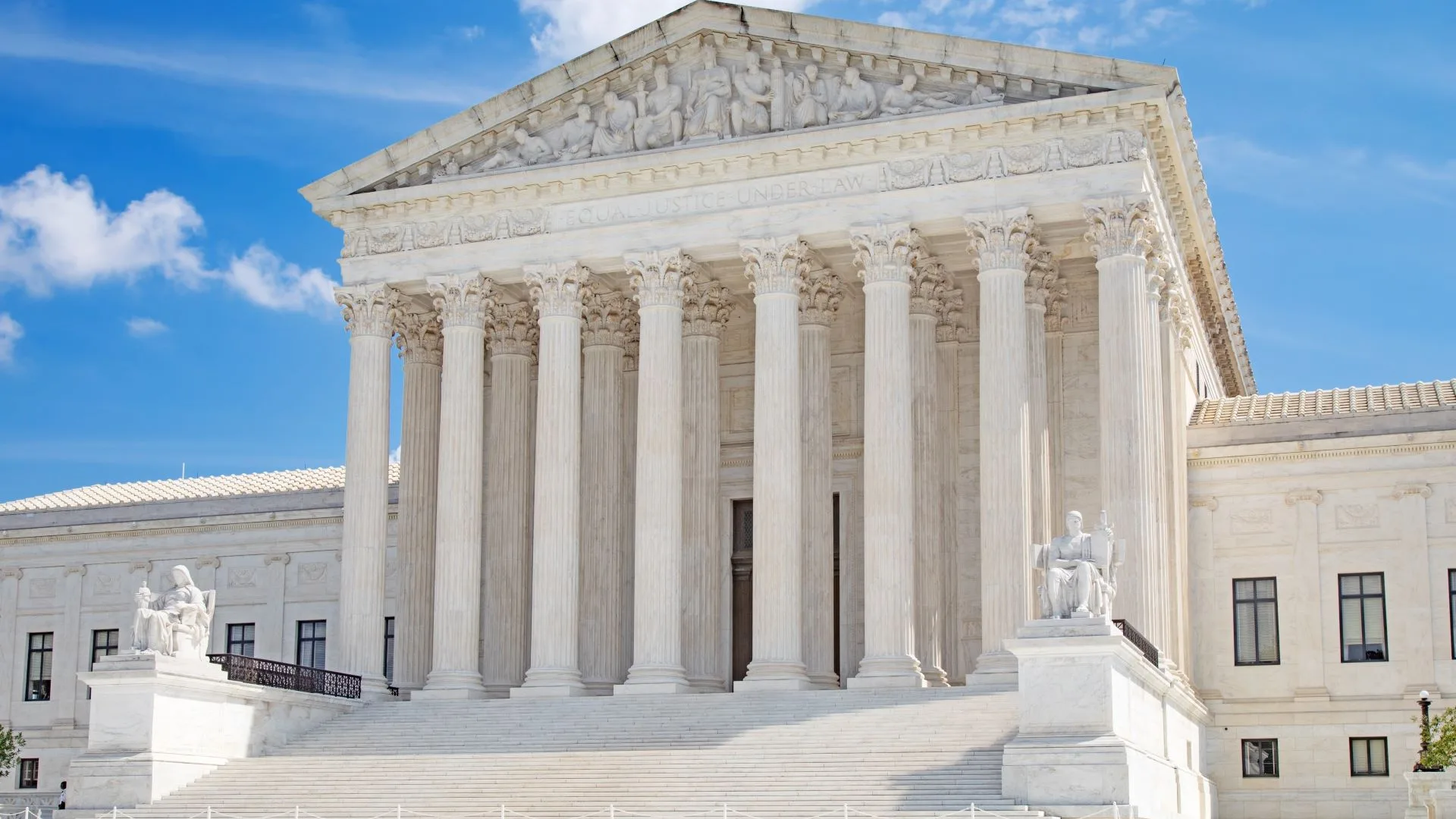
The U.S. Supreme Court in a 5-4 decision on Tuesday ruled that the U.S. Postal Service can’t be held liable for intentional failure to deliver mail.
Justice Clarence Thomas, writing for the majority, said that a law protecting the Postal Service from lawsuits over lost or mishandled mail prohibits lawsuits over mail that was intentionally misdelivered.
Justice Sonia Sotomayor argued in a dissenting opinion that the decision provided the USPS much greater protection from lawsuits than Congress originally intended.
The case began when Lebane Konan, a Black landlord in Euless, Texas, sued the Postal Service under the Federal Tort Claims Act, alleging that mail carriers intentionally refused to deliver mail to her properties, causing tenants to move out and costing her up to $50,000 in rental income, plus emotional distress and extra time and money to use FedEx.
The Postal Service argued that it held mail because Konan had not met identification requirements for all addresses.
Konan leased two rental residences and retrieved business and tenant mail from a central mailbox. In May 2020, U.S. Postal Service employee Jason Rojas changed the lock on the mailbox at one of Konan’s properties without her approval, halted mail delivery and demanded ownership verification. Even after the USPS’s inspector general confirmed Konan’s ownership, Rojas and a coworker allegedly continued marking mail addressed to Konan and her tenants as undeliverable. Konan claims the refusal of service was racially motivated.
The Federal Tort Claims Act generally allows individuals to sue the United States for torts — wrongful acts that are neither crimes nor breaches of contract that can be subject to damages — committed by its employees, but a postal exception protects the USPS from liability for claims arising from the loss, miscarriage or negligent transmission of mail. That means someone can’t sue the Postal Service under the FTCA for mail that is lost, delivered incorrectly or damaged during transit. But legal experts have said the exception isn’t absolute.
A Texas district court dismissed Konan’s claims, but the U.S. Court of Appeals for the 5th Circuit reversed the decision, holding that the exception doesn’t apply to intentional nondelivery. The judges said “loss” implies unintentional destruction or misplacement, and “miscarriage” requires some attempt to deliver the mail.
In written arguments, the U.S. Postal Service argued that the 5th Circuit’s decision creates a loophole allowing plaintiffs to bypass the exception by alleging intent, which could encourage a significant number of lawsuits that could disrupt its functioning.
Justice Thomas said an intentional failure to deliver mail is covered by the FTCA’s postal exception. A ‘miscarriage of mail’ includes failure of the mail to arrive at its intended destination, regardless of the carrier’s intent or where the mail goes instead,” he wrote.
Click here for more FreightWaves/American Shipper stories by Eric Kulisch.
Write to Eric Kulisch at [email protected].
RELATED STORIES:
USPS quarterly parcel volumes fall 13% as e-commerce plan implemented
The post Supreme Court says USPS legally immune for intentionally misdelivered mail appeared first on FreightWaves.