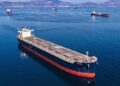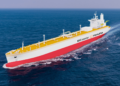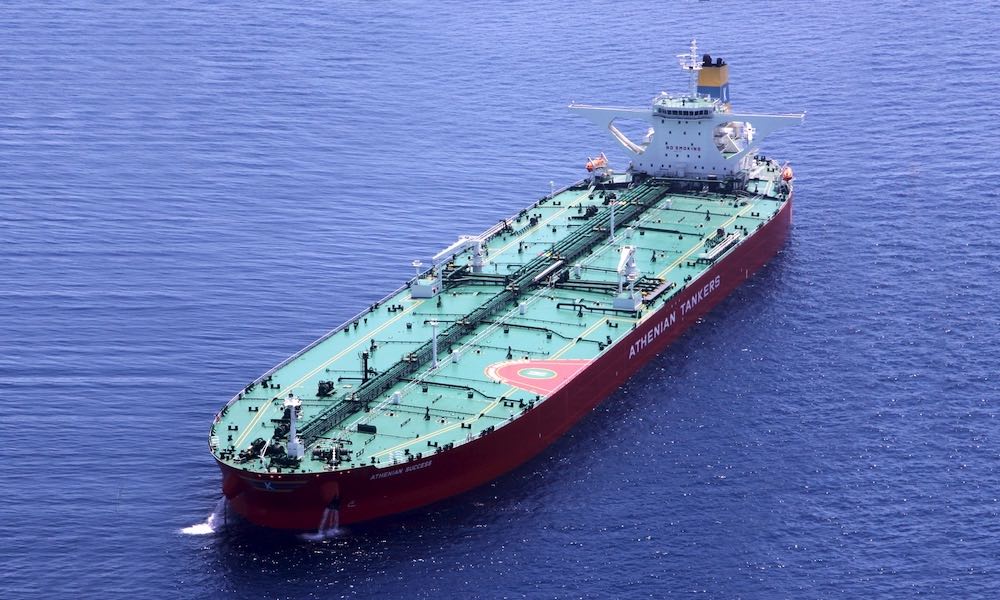
Sinokor’s stunning raid in the tanker markets over the past two months is making the Korean shipowner the largest operator of VLCCs in the world.
Sinokor’s recent purchase of potentially over 50 secondhand VLCCs, plus the company’s securing of a significant volume of tonnage under time charter, has been the talk of the tanker markets all year.
Analysis by broker BRS suggests by the time all its ships are delivered, Sinokor will control 118 VLCCs either through ownership or under time charter. This represents 13% of today’s active VLCC fleet and when excluding the 179 units assessed as being part of the grey fleet, this implies that Sinokor controls 16% of the mainstream VLCC fleet.
“There has never before been a single VLCC operator with such a dominant market share of the active fleet,” BRS stated in a recent report, updating its chart of the world’s top VLCC operators (see below).
Today, the top ten VLCC owners in the world control a combined 392 units, giving them a 42% global market share in the supertanker sector, according to BRS data. When excluding the 179 tankers BRS deems as grey, the top 10 VLCC owners combined control 53% of the active mainstream fleet and a significant 59% of mainstream tonnage younger than 20 years old.
“Although this evidence suggests a degree of consolidation, perhaps the most significant implication of Sinokor’s spree is the emergence of it as a super operator with the tonnage under their control dwarfing that of their competitors,” BRS noted. Rival broker Fearnleys described the Korean company last week as the “kingpin” of the VLCC trades.
Splash has reported repeatedly this year on how Sinokor, in tandem with Mediterranean Shipping Co (MSC), has been on an historic VLCC acquisition binge, paying over the odds for a record-breaking amount of tonnage.
New York-listed VLCC major DHT discussed Sinokor’s market-altering moves in its latest quarterly earnings last week without referring to the Korean owner by name.
“A fundamental shift in fleet ownership is taking place with fleet consolidation by private actors gaining meaningful traction. We expect the aggregators to soon control at least 25% of the compliant tramping VLCC fleet – a critical market share. This consolidation will likely shift the pricing dynamics and put pressure on timely availability of ships,” DHT noted.