“QatarEnergy Embarks on $6 Billion LNG Carrier Project at Hudong-Zhonghua Shipyard”
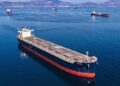
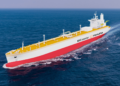
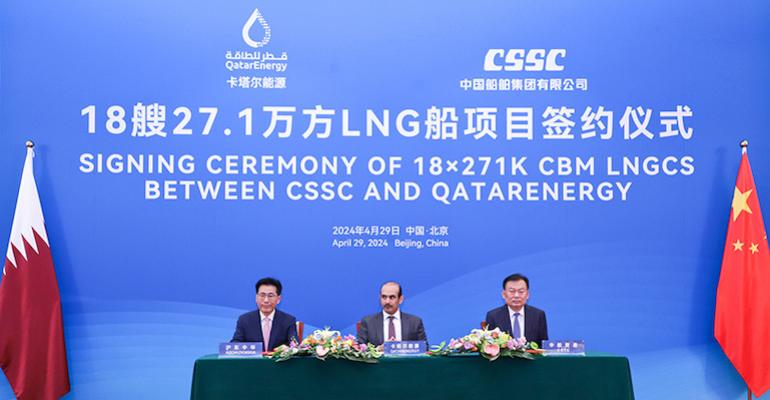
In a major development, QatarEnergy has initiated the construction of 18 LNG carriers worth approximately $6 billion at Hudong-Zhonghua Shipyard. These vessels, boasting a capacity of 271,000 cubic meters, will rank among the largest ever built and will be constructed at the CSSC yard.
The first eight QC-Max vessels are scheduled for delivery between 2028 and 2029, with the remaining ten to follow in 2030 and 2031. During the signing ceremony, H.E. Mr. Saad Sherida Al-Kaabi, Qatar’s Minister of State for Energy Affairs and President and CEO of QatarEnergy, hailed the agreement as the largest single shipbuilding contract in the industry’s history, emphasizing its substantial value and the vessels’ advanced features.
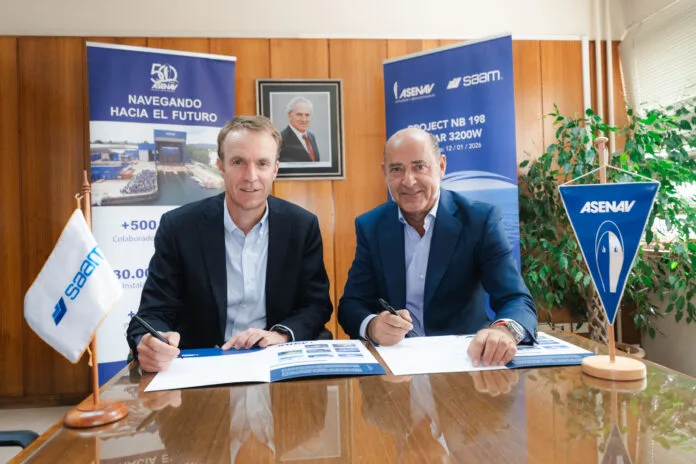
The agreement was formalized in Beijing, signed by H.E. Saad Sherida Al-Kaabi, alongside Chen Jianliang, Chairman of Hudong‐Zhonghua Shipbuilding (Group), and Li Hongtao, Chairman of China Shipbuilding Trading. QatarEnergy already has twelve 174,000 cubic meter capacity LNG carriers under construction at Hudong-Zhonghua, with the first vessels set for delivery in the third quarter of this year.
Minister Al-Kaabi expressed gratitude for the ongoing collaboration with China State Shipbuilding Corporation and Hudong-Zhonghua Shipyard in developing top-tier LNG vessels known for their exceptional environmental performance. He reiterated QatarEnergy’s commitment to providing a safe and reliable LNG energy source while prioritizing environmental sustainability, highlighting the growing cooperation between China and Qatar.
Additionally, QatarEnergy secured time charter agreements with three shipowners for nine QC-MAX vessels. In 2023, Qatari LNG supplies to main customers in China totaled almost 17 million tons.
H.E. Minister Al-Kaabi emphasized that these nine vessels are part of QatarEnergy’s historic program to support expanded LNG production capacity from the North Field, projected to reach 142 million tons per annum by 2030, and to fulfill long-term fleet replacement requirements.