Major U.S. ports and their stakeholders warned federal regulators that the proposed rail merger of Union Pacific and Norfolk Southern could hurt their competitive standing and the larger economy absent careful evaluation of the historic deal.
In a letter to the Surface Transportation Board, the National Association of Waterfront Employers (NAWE) expressed “strong concerns” with the merger, which would create the first freight-only transcontinental railroad.
“We are greatly concerned as to whether a reduction of two of the four major remaining competitors offering intermodal rail service will serve to benefit our industry,” said NAWE President Carl Bentzel, in the letter.
The group, whose membership includes ports authorities and terminal operators, urged the STB to closely examine the merger’s logistical and economic impact on intermodal shipping networks.
Some shippers and intermodal providers have backed the deal since Union Pacific (NYSE: UNP) announced its intention to acquire NS (NYSE: NSC) in July. But many shippers groups have opposed the merger despite the railroads’ claims that the consolidation will speed up freight with fewer delays at congested hubs.
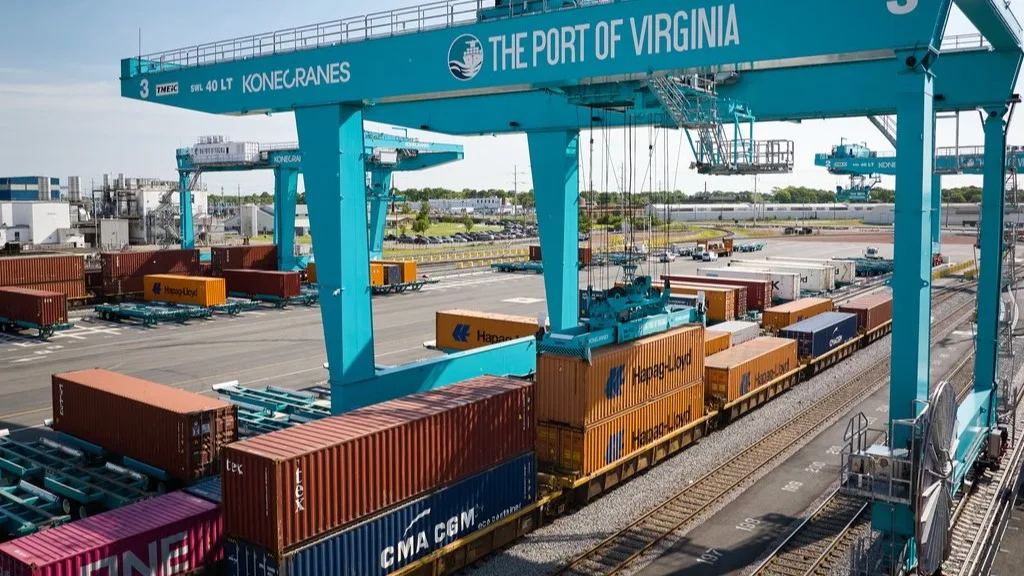
“Intermodal rail service is a critical link for U.S. ports and the businesses that depend on them,” said Bentzel. “Given the already limited competition in rail intermodal service, further consolidation could have significant consequences for port competitiveness, cargo flow, and regional economic development.”
The letter follows reporting by FreightWaves of concerns by East Coast ports that UP’s coast-to-coast aspirations, if approved, could undermine tens of billions of dollars worth of infrastructure investments to build their share of direct Asia import traffic. They fear a seamless transcontinental rail route would enable West Coast ports to reestablish an intermodal landbridge to eastern markets.
Currently, approximately 40% of containerized imports arriving at East Coast ports move inland by rail, while that number is closer to 60% on the West Coast.
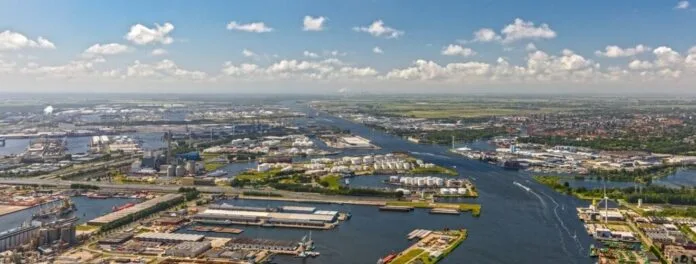
“This merger would further concentrate the intermodal rail market, leaving only two major transcontinental intermodal service providers,” NAWE said. “A reduction in service options or prioritization of certain routes over others could diminish economic opportunities in port regions nationwide. For example, the Ports of Los Angeles and Long Beach rely heavily on rail – moving more than 60% of imports via intermodal service into Chicago and beyond. Any loss in competition or service reliability could ripple throughout the nation’s supply chain.”
Noting members’ partnerships with rail carriers, NAWE emphasized that for ports to grow and remain economically viable, consistent, competitive, and reliable intermodal rail service is essential.
“NAWE member companies handle over 90% of our nation’s import and export containerized trade,” the letter stated, terming ports “the most critical component” in the U.S. supply chain.
The group pointed out that while statutory provisions of the Interstate Commerce Act provide authority for the STB to intervene to protect port interests, since the 1980s the regulator has exempted container and trailer moves by rail. “The competitive market for rail intermodal services has drastically been curtailed since that time,” NAWE said.
The association also said railroads’ development of intermodal has lagged ‘significantly’ behind that of the maritime sector.
“Current railroad practice in the investment of on-dock intermodal rail is negligible, and marine terminals are forced to bear all of the costs, while the railroad usually takes more of an, “if you build it, I may carry your cargo, if I see fit” approach,” Bentzel said in the letter. Marine terminals finance and manage on-dock rail, “sometimes with very little in return on commitments in level of service,” a situation made worse by investor demands for higher share prices amid reductions and consolidations of service.
“This decision has the potential to reshape the future of intermodal freight movement in the United States,” Bentzel said. “We urge the STB to carefully consider the long-term impacts on port communities, supply chain resilience, and the national economy.”
The railroads expect to file their formal merger application this week.
The ports group said it remains committed to working with regulators and industry partners “to ensure that the rail network continues to grow and effectively serve the maritime and intermodal shipping industries.”
Subscribe to FreightWaves’ Rail e-newsletter and get the latest insights on rail freight right in your inbox.
Find more articles by Stuart Chirls here.
Related coverage:
Rail freight stays ahead of year-ago traffic
BNSF on UP-NS merger: Don’t ruin a good thing
Union Pacific CEO: America needs coast-to-coast railroad, now
Rail merger no guarantee of growth: Analysts
The post Ports warn intermodal in the crosshairs of rail merger appeared first on FreightWaves.