The Owner-Operator Independent Drivers Association is challenging a federal plan to link driver work schedules to crash risks, arguing the study is built on biased data and flawed logic.
In comments filed on Friday, OOIDA warned the Federal Motor Carrier Safety Administration that the research the agency proposed as part of an information collection request (ICR) will fail to produce an accurate picture of driver fatigue or highway safety.
“The ICR is overly reliant on telematics systems for participating carriers,” wrote OOIDA President and CEO Todd Spencer. “This creates an inherent bias that will result in a non-representative carrier study population. There’s no indication that this collection effort will target multiple carriers of different demographics and sizes.
“We also question if selecting just 60 carriers will produce enough diversity among participants to be truly representative of the trucking industry. We encourage FMCSA to conduct further outreach to small carriers and owner-operators who might not utilize the prescribed telematics systems.”
According to the ICR, which FMCSA published in November, the primary objectives of the survey are to:
- Examine the relative risk of crashes and inspection violations based on various factors related to the driver’s work schedule and demographics.
- Analyze the relative crash risk by driving hour.
- Assess the impact of changes in hours-of-service (HOS) provisions.
- Examine differences in crash risk after restarts that include two nights versus those that do not.
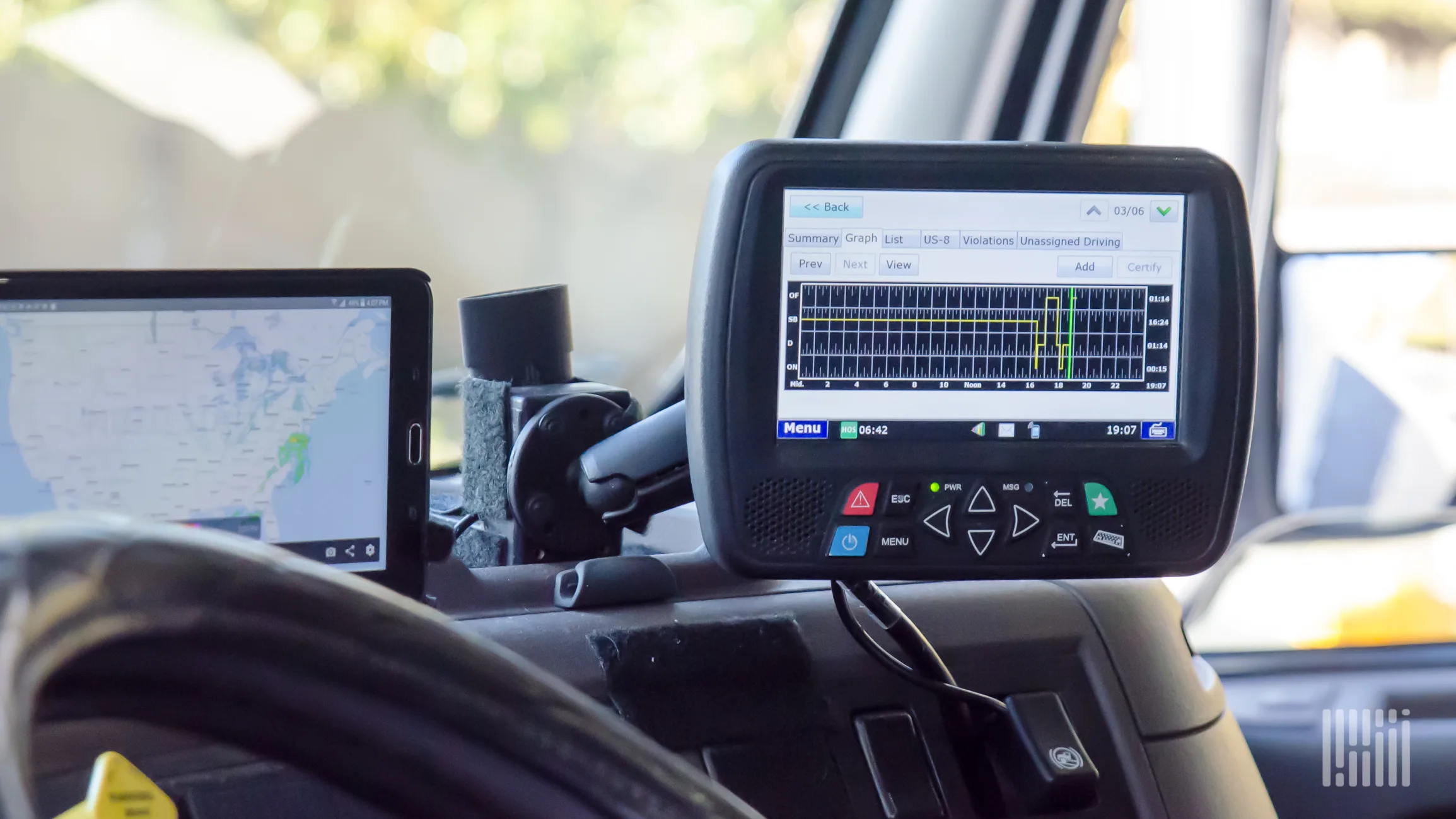
HOS logs and incident/crash data would be collected electronically and obtained by Pulsar Informatics, an FMCSA contractor, according to the agency. Results of the effort presumably could lead to either loosening, tightening, or maintaining existing HOS restrictions.
But HOS records, OOIDA contends, are merely a measure of time and not physical or mental state.
“[HOS] logs do not reveal anything about fatigue, simply how many hours a driver was on-duty” Spencer asserted in the filing.
OOIDA further noted that crash rates often increase during specific times of day for reasons that may have “absolutely no connection” to a truck driver’s time on the clock. Without including control groups – which are currently missing from the proposal – OOIDA believes the study’s findings will be scientifically insufficient.
“In order for a more accurate analysis, the ICR should incorporate control groups for comparison,” Spencer stated.
Related articles:
- Truck drivers to feds: More money, not more hours
- Report finds higher hours-of-service violation rates since 2020 revisions
- Truckers push FMCSA to make brokers pay for detention time
Click for more FreightWaves articles by John Gallagher.
The post OOIDA warns of data bias in FMCSA safety inquiry appeared first on FreightWaves.