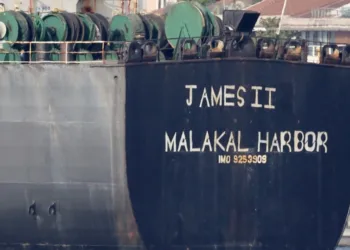
New Zealand on Friday unveiled its largest sanctions package to date, targeting Russia-linked shipping, expanding measures to include 23 individuals, 13 entities and 100 vessels, and lowering the oil price cap for Russian-origin crude to $44.10 per barrel.
The announcement comes as the European Union negotiates a 20th sanctions package against Russia.
Europe plans to scrap the crude oil price cap and replace it with a full ban on maritime services linked to Russian crude exports.
A maritime services ban will preclude the involvement of European-linked ships from lifting Russian crude oil. EU-owned tankers shipped 35% of Russian oil in January, according to data from analytics firm Windward. The ban also means no European company will be able to provide insurance to ships lifting Russian crude oil. If the UK follows suit, deemed very likely, almost all International Group P&I would be off limits.
“If implemented, the EU proposal, which followed consultations with the US, would put significant additional pressure on the Kremlin. The Russians would become almost completely reliant on the dark fleet,” suggested experts at tanker broker Poten & Partners in a recent report.
The ban is set to come into force on February 24 so long as EU member states all agree on its enforcement, something that is not guaranteed
The triple whammy for Russian oil exports comes from the trade pact the US and India have forged this month, which sees New Delhi cut its Russian crude purchases in favour of US, and potentially Venezuelan, supplies.