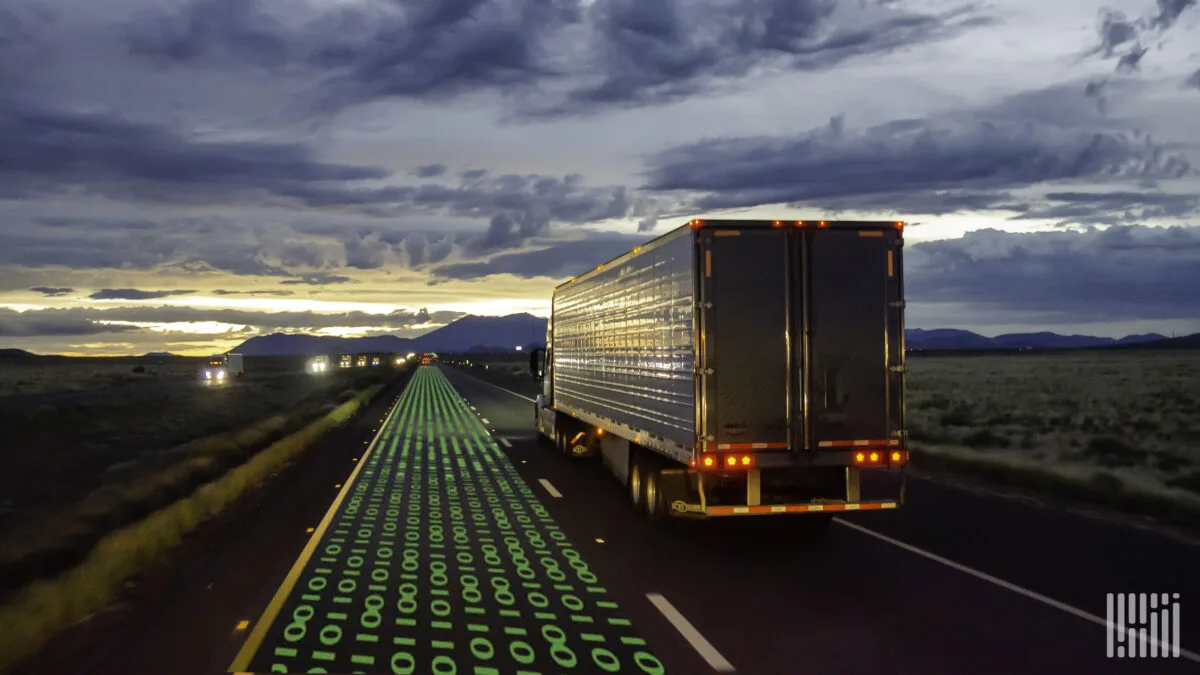
As supply chains continue to absorb shock after shock, the conversation is shifting from how quickly companies can react to disruptions to whether they can prevent them altogether. According to industry data cited by Cleo, supply chain disruptions rose 38% over the past year, driven by everything from geopolitical instability and cyberattacks to climate-related logistics failures. For many organizations, those pressures have exposed the limits of legacy integration tools and siloed systems that were never designed for today’s pace of change.
Cleo’s latest release of Cleo Integration Cloud reflects a belief that the next phase of supply chain resilience will be built on AI-native orchestration rather than incremental automation. Dave Brunswick, senior vice president of products at Cleo, works closely with customers on platform strategy and adoption. The shift is as much about maturity as it is about technology. “Most companies begin by asking how to digitize and automate manual processes, then move toward creating a consistent framework that allows those processes to work together. Only after that foundation is in place does AI start to deliver its real value.”
That value increasingly lies in prediction rather than reaction. Instead of waiting for a missed shipment or delayed confirmation to trigger alarms, Cleo is embedding AI deeper into orchestration flows to flag potential outliers before they become operational problems.
Brunswick notes that “Being able to predict what is likely to happen over the next few days can dramatically reduce downstream disruptions, whether that means identifying a supplier issue early or rerouting freight before a delay cascades through the network.”
Central to this approach is what Cleo calls context-aware orchestration. In practice, that means understanding not only what has already happened in a supply chain, but what is likely to happen next. Brunswick describes context as having two dimensions, “Historical insight and forward-looking intelligence. Orders, warehouse activity, transportation events, and partner interactions all need to live in a shared environment rather than in disconnected systems. By pulling these pieces into a single orchestration layer, Cleo aims to move customers away from managing isolated processes and toward managing end-to-end outcomes.”
This same philosophy underpins Cleo’s push toward no-code trading partner onboarding. Traditional onboarding often involves lengthy roadmaps, manual mapping, and repeated testing cycles for each new partner. Cleo is using AI to automate much of that heavy lifting by creating partner profiles from existing integrations, ingesting sample documents, and allowing the system to infer schemas and mappings. Instead of starting from scratch, teams can focus on testing and refinement, dramatically compressing onboarding timelines. Looking further ahead,
As onboarding accelerates, expectations around ongoing trading partner relationships are also evolving. Real-time relationship management and scorecarding represent a move toward performance-based collaboration, but they also reflect shifting power dynamics.
Retailers, in particular, often dictate terms and impose penalties, leaving little room for transparency or shared problem-solving. Cleo’s goal is to create a more balanced environment by giving all parties a common view of performance and risk. Early warnings, shared visibility, and automated responses to issues can turn what might have been a costly failure into a manageable exception.
Brunswick cautions, however, “That autonomy must be approached deliberately. Automated error resolution is an important first step, but fully autonomous decision-making requires confidence that AI systems are acting appropriately. Cleo encourages customers to let AI models settle and learn before handing over too much control, especially as the speed of innovation continues to accelerate. What seemed ambitious six months ago is already achievable today, and that pace is reshaping expectations across the industry.”
The post Inside Cleo’s vision for an AI-native supply chain that thinks ahead appeared first on FreightWaves.