WASHINGTON — Federal regulators have finalized a rule that restores a decade-old marking exception for fuel haulers and officially brings cargo tank inspections into the digital age.
The U.S. Department of Transportation’s Pipeline and Hazardous Materials Safety Administration (PHMSA) issued a 58-page final rule on Monday aimed at stripping away “unnecessary regulatory burdens” that have cost the trucking industry millions in lost time and equipment.
“From allowing new technologies to perform cargo tank inspections to restoring a longstanding exemption in the placarding requirements for shipment of certain fuels, these commonsense changes will generate $145.3 million in annualized cost savings,” DOT underscored in a press statement.
The preamble to the rule cited comments received from chemical shippers estimating that the cost of complying with the previous, stricter marking requirements had grown to $800 per truck. PHMSA estimates this will affect over 23,000 small trucking companies, with an average annualized cost savings of $5,603 per small business.
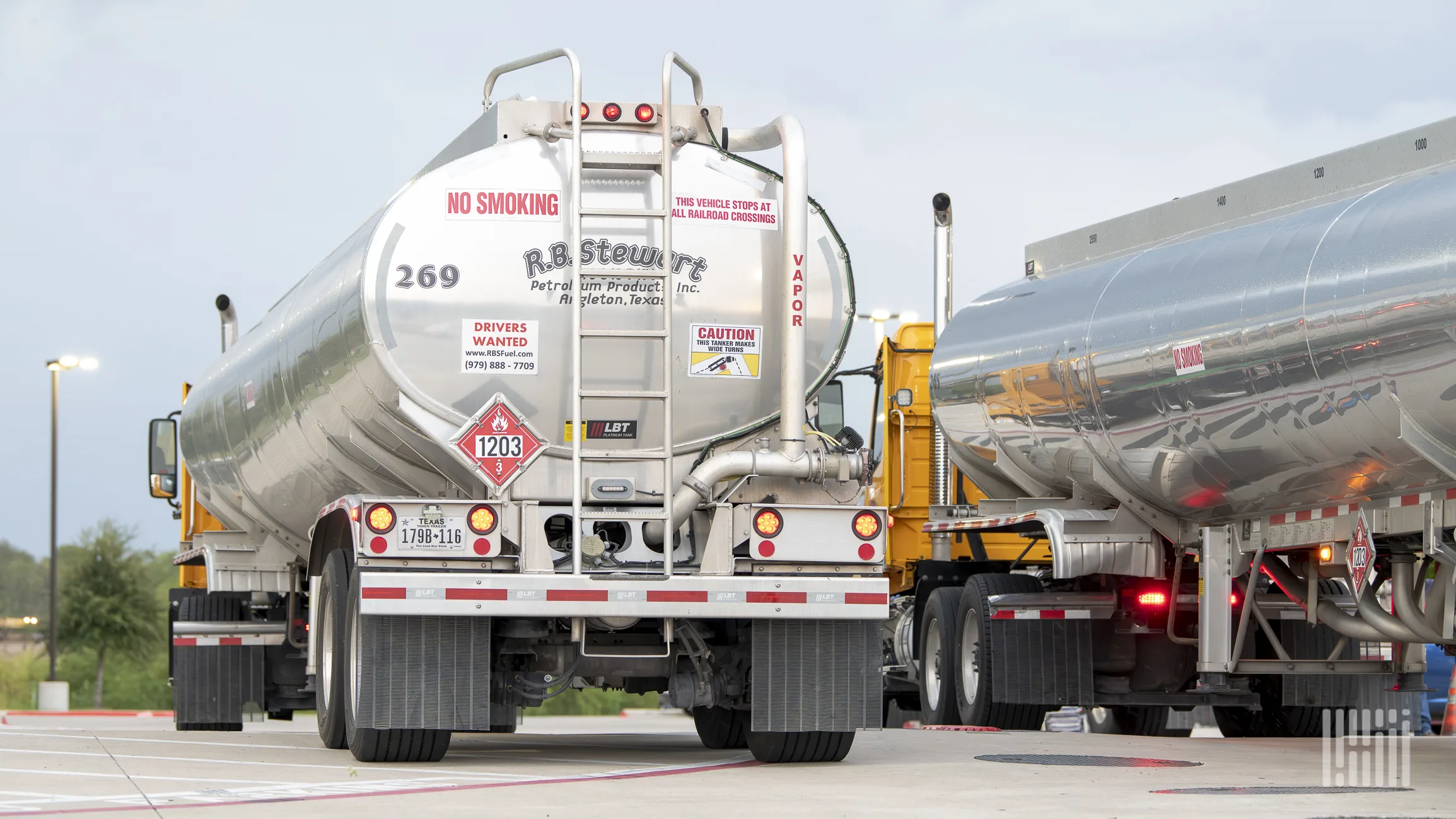
The rule reinstates a provision allowing drivers to display the identification number of the lowest-flashpoint fuel transported during the current or previous business day. For fuel delivery fleets, this means an end to constant manual swapping of placards between gasoline and diesel runs.
Beyond placards, the rule marks a significant technological shift by authorizing the use of video cameras for interior tank inspections, effectively ending the era of mandatory confined-space entry for many routine checks.
For truck drivers, the new rule could mean less downtime and a significant reduction in daily “busy work” at the terminal or fuel rack.
Under the new marking exception, for example, if a driver is hauling gasoline on his or her first load, the gasoline identification number can remain displayed for the rest of the business day, even if your subsequent loads are diesel fuel or kerosene. This eliminates the need to manually climb on the rig to swap placards or flip sign panels between every trip, a process that previously risked both physical strain and fines for marking errors.
While paperwork related to the cargo must still accurately reflect the specific fuel onboard, the external markers can now focus on the highest-hazard material handled that day, which is expected to streamline the delivery process while ensuring first responders still have the critical information they need.
The rule was among three measures issued by PHMSA – including another final rule related to gas transmission lines and an enforcement policy to provide relief to consumers on the West Coast – aimed at lowering energy costs.
“Under President Trump’s leadership, we’re driving down energy costs by encouraging innovation and cutting unnecessary red tape,” commented Transportation Secretary Sean Duffy. “These commonsense changes will make day to day life more affordable for American families while continuing to maintain the highest levels of safety.”
Related articles:
- DOT proposes streamlining regs for hazmat carriers
- DOT strips California of $160M over foreign truckers
- DOT looks to AI as it prepares to cut workforce
Click for more FreightWaves articles by John Gallagher.
The post Feds slash compliance costs for fuel haulers appeared first on FreightWaves.