The European Union and Ukraine have escalated their campaign against Russia’s shadow fleet, rolling out fresh sanctions targeting both vessels and the facilitators accused of keeping Moscow’s oil exports moving despite international restrictions.
On Monday, the EU sanctioned five businessmen linked to Russian state-owned oil majors Lukoil and Rosneft, alongside four shipping companies accused of helping to operate shadow fleet tankers. The measures, agreed at a meeting of the bloc’s 27 foreign ministers in Brussels, largely consist of asset freezes and travel bans.
EU headquarters said the businessmen “control vessels transporting crude oil or petroleum products, originating in Russia or being exported from Russia, concealing the actual origin of the oil, while practicing irregular and high-risk shipping practices.” The four shipping companies are based in the United Arab Emirates, Vietnam and Russia and are accused of owning or managing sanctioned shadow fleet tankers.
Brussels is also seeking agreements with flag states to make it easier for authorities to board suspect vessels.
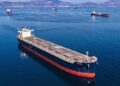
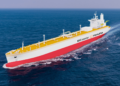
Kyiv has now gone significantly further. President Volodymyr Zelenskyy has signed a decree implementing a decision by Ukraine’s National Security and Defense Council to sanction 656 maritime vessels identified as part of Russia’s shadow fleet – the largest sanctions package ever applied to these ships.
The sanctioned vessels are flagged across more than 50 countries. Ukraine said it will provide all relevant information to these states and work with them to halt the issuance of operating licences, while also coordinating with partners to align sanctions across jurisdictions.