The industry pretends cold weather is manageable, yet seafarers know it is not easy, writes Pradeep Chawla from MarinePALS.
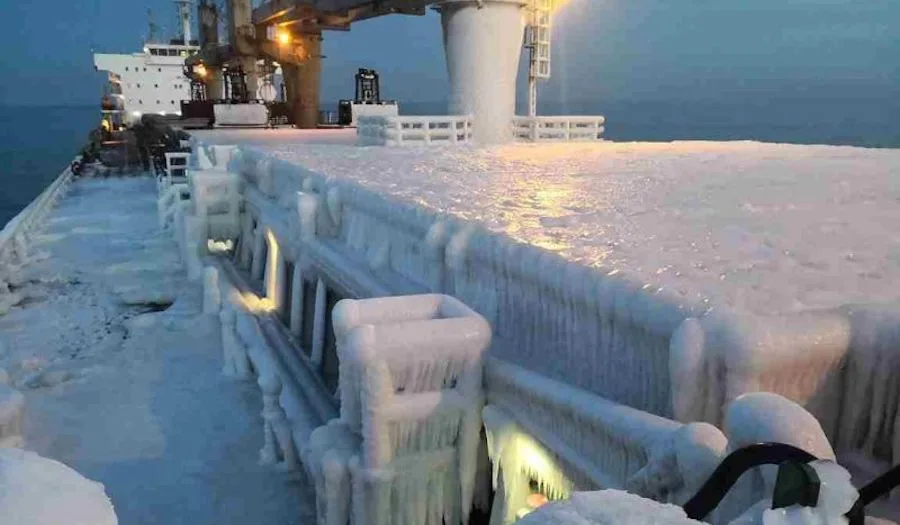
Cold weather remains one of shipping’s most overlooked operational risks. We talk about resilience and seamanship, yet crews are routinely expected to perform demanding tasks in conditions that would halt most land-based industries. The gap between what is written in company procedures and what happens on deck in freezing spray or near-zero visibility is significant. .
Many procedures exist simply because the ISM Code requires risks to be documented. Their value depends entirely on the experience of those drafting them. When office staff have limited exposure to harsh-weather regions, the guidance they produce can be detached from reality. The problem is most visible when a vessel and crew with no cold-climate background are sent on a one-off voyage, frequently receiving material that resembles a checklist rather than practical preparation. Regulatory and loss-prevention guidance remains scattered and incomplete and rarely reflects the physical strain these operations impose.
Cold affects far more than equipment. It slows the brain, impairs reaction time and weakens judgement, yet we continue to treat crews as if the human body functions normally in freezing temperatures. Regulations require protective gear but offer no standard for quality or suitability. Too many seafarers still receive gloves and clothing unfit for prolonged exposure. The industry seldom acknowledges the many ways in which cold undermines mental resilience or situational awareness. We cling to the myth of limitless resilience and adaptability of the seafarer , and that myth is causing accidents..
If we are serious about safety, we must also confront workload. Operational pressure has become a permanent feature of shipboard life. Tasks have multiplied for decades while manning levels have not. Crews consistently report that they cannot meet rising expectations and rest-hour rules simultaneously. Cold weather amplifies every weakness in this system. Reduced manning, tight schedules and simultaneous operations make it impossible to maintain safety margins.
The ongoing STCW revisions offer a rare chance to revisit manning scales and operational assumptions, and these should factor in the impact of operating in extremes of weather including cold. Minimum manning certificates were meant to protect safety, yet too often they fail to consider a vessel’s age, trade or location of operation. Without reform, the industry will continue to place crews in situations where they are expected to compensate for systemic shortcomings through endurance alone.
MarinePALS has produced a six-part series of short training videos to consolidate the fragmented guidance currently available. Training cannot fix structural failings, but it can give crews clearer support. The real question is whether the industry will finally acknowledge the reality of cold weather operations or continue to look away while expecting seafarers to bear the cost.