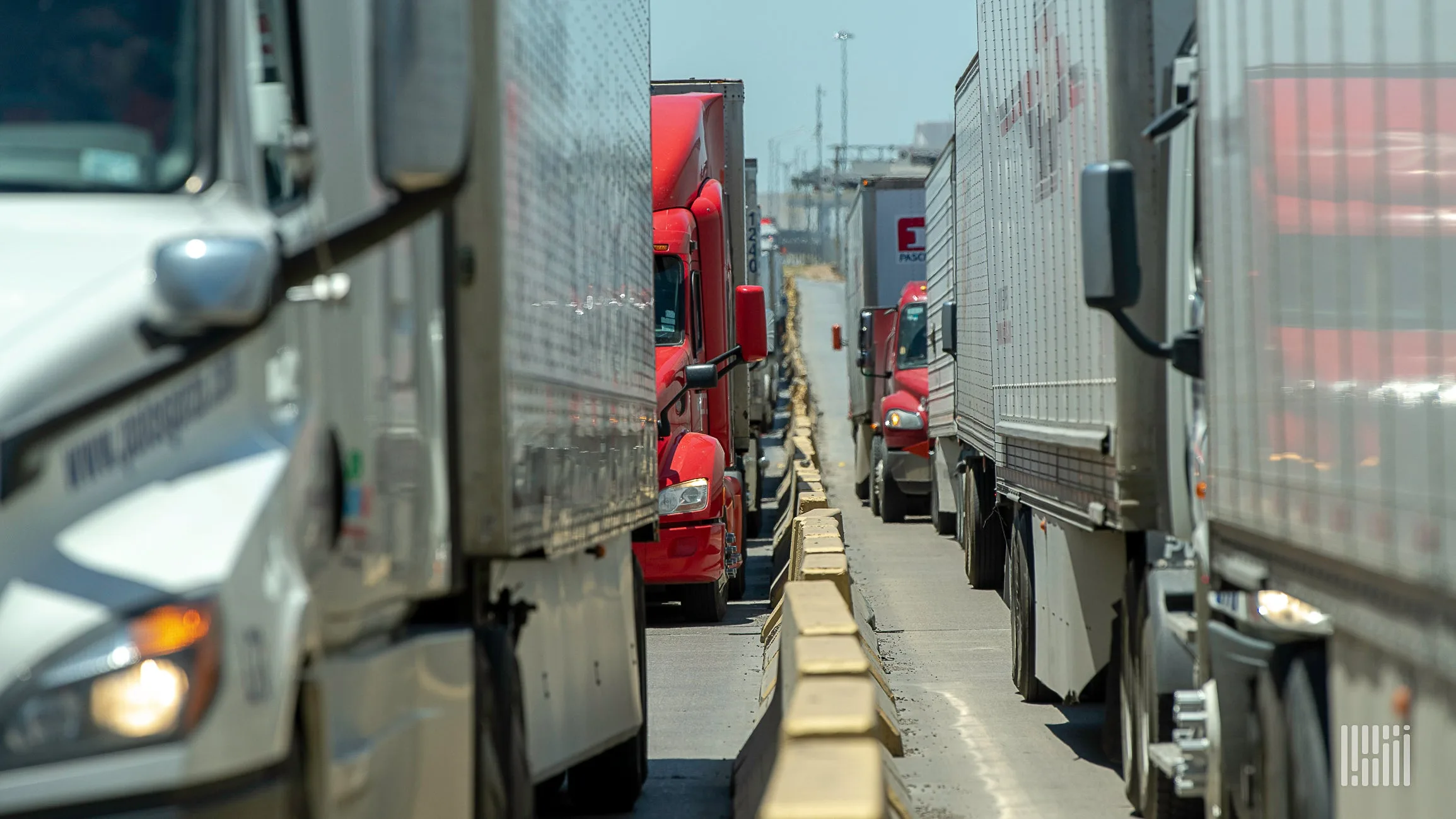
The confirmed killing of Nemesio Oseguera Cervantes — better known as “El Mencho,” leader of the Jalisco New Generation Cartel (CJNG) — triggered widespread cartel retaliation across Mexico on Sunday, disrupting key highways, rattling port operations and raising concerns about near-term impacts to cross-border freight flows with the U.S.
Mexican authorities confirmed Oseguera was killed during a federal military operation in Jalisco. Within hours, road blockades, vehicle burnings and armed clashes were reported across multiple states, including Jalisco, Michoacán, Colima and Guanajuato.
Guadalajara’s airport saw panic among travelers, and flights at Puerto Vallarta and Manzanillo were canceled amid security concerns.
Reports described “narco-blockades” using burning vehicles to shut down critical roadways.
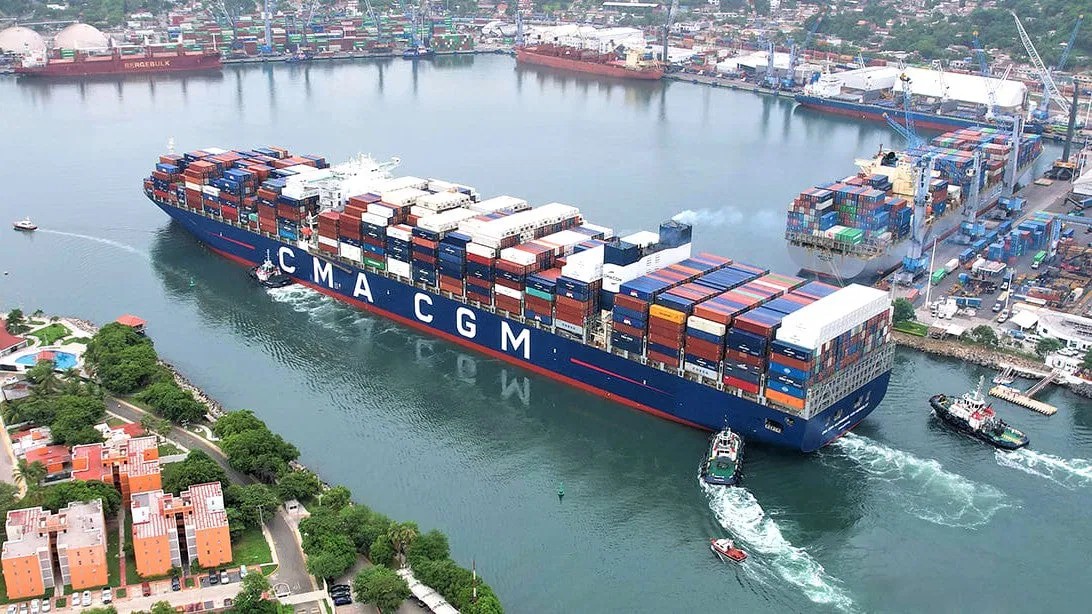
For freight markets, western Mexico — home to key manufacturing hubs and the Port of Manzanillo — quickly became the center of concern.
Port of Manzanillo: suspended — then open
Earlier Sunday, Mexican authorities announced that activities at the Port of Manzanillo were suspended “until further notice” following the cartel violence.
The temporary shutdown notice warned that port operations were “temporarily suspended” and that the port community would be notified when activities resumed.
However, hours later, Mexico’s Secretariat of the Navy issued a statement saying the port “continues to operate normally in all areas” and that there was “no suspension of port activities or general closures.”
Officials said security had been reinforced with drone surveillance, additional patrols and monitoring of vessel traffic while maintaining standard Protection Level I security status.
The conflicting statements created confusion for shippers, carriers and brokers managing inbound container freight from Asia, particularly automotive parts and electronics routed through Manzanillo before moving inland to Guadalajara and other industrial corridors.
The Port of Manzanillo, located along the Pacific Coast, is one of the country’s largest gateways for international trade, handling about 45% of the containers that arrive from ocean carriers.
“Significant disruption to freight”
Veronica Gonzalez, who leads Mexico operations for brokerage giant C.H. Robinson (Nasdaq: CHRW), described the situation as highly fluid and operationally disruptive.
“The security situation in western Mexico is a significant disruption to freight,” Gonzalez told FreightWaves in an email. “Road blockades have cut off some of the region’s most important freight corridors, including the routes connecting the Port of Manzanillo to Guadalajara and moving freight northeast.”
She initially noted that the port was closed for containers coming in or out and that trucking capacity in western Mexico tightened quickly as carriers hesitated to send drivers into high-risk areas.
“While freight is still flowing on the main highways to key border crossings including Laredo and El Paso, anything touching western Mexico is likely to run behind schedule,” Gonzalez said. “Realistically, shippers should plan for delays through at least the first half of the week.”
The brokerage said it was actively monitoring developments and rerouting freight where possible.
CANACAR urges drivers to shelter
Mexico’s National Chamber of Freight Transportation (CANACAR) issued a public call for operators to prioritize safety amid the road blockades.
CANACAR expressed “deep concern” about violent events across highways in several states, urging drivers to take refuge in safe areas or return to operating yards until conditions normalize.
The organization emphasized that highways are “the operational backbone of freight transport” and warned that prolonged disruptions could directly impact the supply of food, medicine fuel and industrial inputs nationwide.
For cross-border trade, that warning carries particular weight. Mexico is the U.S.’ top trading partner, with billions of dollars in goods moving daily across border crossings such as Laredo, Pharr, El Paso and Otay Mesa.
What U.S. shippers should watch this week
While primary corridors into Texas border crossings remained open Sunday, logistics operators are closely tracking:
- Inland container movements out of Manzanillo toward Guadalajara.
- Manufacturing freight in Jalisco, Michoacán and Colima.
- Truckload capacity tightening and insurance risk adjustments in western Mexico.
- Potential spillover delays at Laredo and El Paso if inland bottlenecks back up northbound freight.
If the violence stabilizes quickly, impacts could remain short-lived and concentrated in western Mexico. However, sustained blockades or expanded security operations could disrupt just-in-time auto supply chains and electronics shipments moving into U.S. plants.
For now, brokers are advising contingency planning rather than halting shipments entirely.
“This situation is evolving hour by hour,” Gonzalez said.
Related: Violent cargo theft grips Mexican truckers, Overhaul report finds
The post Cartel boss killing jolts US-Mexico freight corridors appeared first on FreightWaves.