Erin Walton from the West of England P&I Club writes for Splash today.
Shipping’s fuel transition is moving faster than the frameworks designed to manage its risks. While the industry has invested significant time and capital into assessing the technical and commercial viability of alternative fuels, far less attention has been paid to who carries the liability when something goes wrong.
For decades, pollution risk in shipping was built around a stable and well-understood threat profile. Conventional persistent oil spills – from bunkers or cargo – dominated planning assumptions, supported by globally established response practices and international liability and compensation conventions. These frameworks provided clarity not only for regulators and responders, but for shipowners making commercial decisions with a clear understanding of their exposure.
That certainty no longer exists.
Alternative fuels behave very differently to conventional oils. In many cases, there is no oil on the water to recover. Instead, a release may create a toxic, flammable, or explosive gas cloud, posing an immediate risk to crew, ports, and surrounding populations. Response priorities shift from environmental remediation to containment, detection and human safety.
The problem is that the international pollution conventions the industry has relied on for decades are largely fuel-specific, predicated on the pollutant being a persistent hydrocarbon mineral oil. Most alternative fuels therefore sit outside these frameworks entirely. When that happens, the benefits of the convention system, like strict liability, compulsory insurance and automatic rights of direct action against insurers, fall away. Compensation is still available, but it depends on local law, with outcomes varying widely between jurisdictions.
For shipowners, this introduces a level of uncertainty that is difficult to price, insure, or manage contractually. For ports, regulators, and claimants, it risks delay and inconsistency when clarity matters most.
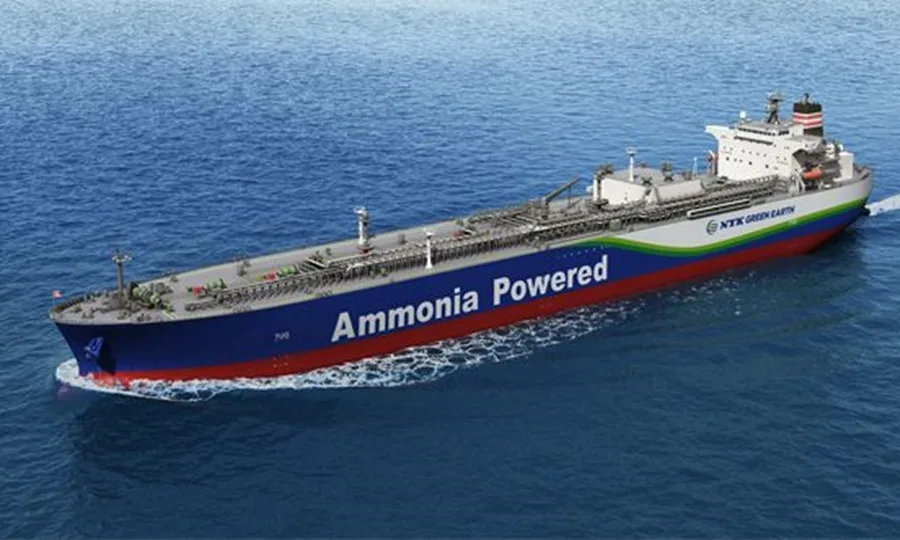
Ammonia is a clear example of how this gap is emerging in practice. Its decarbonisation potential is well recognised, but so are its hazards. A release may not leave a visible pollution footprint, but the consequences can be severe. As a result, ports, regulators, and industry bodies are already investing in preparedness.
In Singapore, the Maritime Port Authority has undertaken extensive risk studies and pilot projects to develop ammonia bunkering standards, supported by real-world trials and cross-industry workshops. In Europe, the European Maritime Safety Agency has published a series of technical studies examining the safety of ammonia for use in ships, assessing hazards, system reliability, and vessel-specific risk profiles, while identifying regulatory and technical gaps that must be addressed before wider adoption. Elsewhere, spill responders, insurers, and operators have been running tabletop exercises to understand how incidents involving alternative fuels may unfold in practice.
The liability gap.
The industry has been here before. International liability and compensation conventions were developed after fragmented national approaches proved inadequate following major casualties, most notably the Torrey Canyon oil spill. That incident directly triggered the creation of the Civil Liability Convention, later complemented by the Fund, Wreck and Bunkers Conventions, forming the IMO framework relied upon today.
Together, these conventions introduced strict liability, compulsory insurance, and reliable compensation. Crucially, they enabled shipping to operate globally with a clear understanding of pollution risk.
Today, the fuels may be different, but the lesson remains the same. Alternative fuels are already entering service. As uptake increases, so too will the likelihood of incidents that test existing frameworks. Waiting for a major casualty to expose these shortcomings would be a costly mistake.
The IMO has recognised the need to review how liability and compensation apply in this context. That work must continue at pace. In parallel, shipowners, charterers, and ports need to understand that fuel decisions are not just technical or environmental choices – they are liability decisions.
The energy transition will only succeed if it remains commercially viable, operationally safe, and legally insurable. Closing the liability blind spot around alternative fuels is not a regulatory detail. It is a prerequisite for confidence, investment, and long-term adoption.