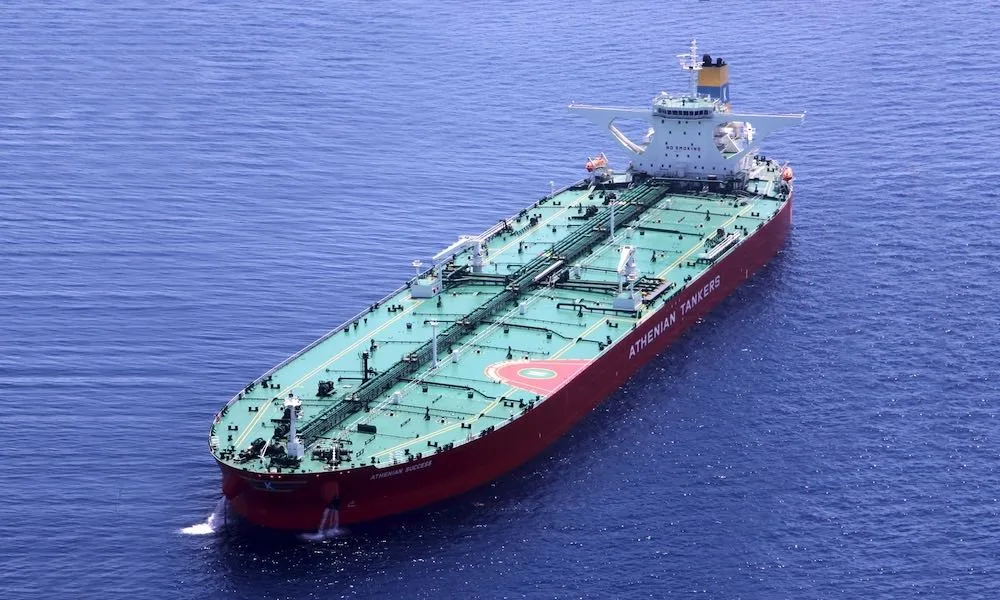
Sinokor’s remarkable hoovering up of available VLCC tonnage continues this week, the Korean name being attached to a host of tanker sales on multiple broking reports. The dramatic VLCC build-up over the past seven weeks is propelling the Korean owner to the top of the VLCC ownership charts, as well as creating a concentration of ownership among the six biggest names in the previously fragmented sector that has never been registered before.
If all Sinokor’s targeted VLCC acquisitions come to fruition, Greece’s Allied Shipbroking is forecasting that the six largest VLCC owners in the world would collectively control close to 30% of the global fleet of 911 ships. The top six list, along with Sinokor, is made up of China Merchants, COSCO, Fredriksen, Bahri, and Angelicoussis Group, according to data from Allied.
Brokers have been left dumbfounded at Sinokor’s market-altering decision to largely exit the container scene, selling most of its boxships to Mediterranean Shipping Co (MSC), in favour of supertankers, paying over the odds for available VLCC tonnage, having secured more than 30 VLCCs in the past month and aiming to bag another 20 or so.
Broker Gibson noted that most market players had been pegging 15-year-old VLCCs at around $59m to $60m during December, but Sinokor, keen to corner the market, has been paying 10-15% above these levels to commit sellers and lock down tonnage, in addition to a reported slew of time-charter extensions and new fixtures to major owners.
Sinokor has also been busy in the charter market, fixing or extending ships for periods of one to three years’ time charter, taking its chartered-in VLCC fleet to above 40 units.
Calculations by broker Hartland suggest that Sinokor is now operating a VLCC fleet of close to 100 ships, giving it an 11% market share of tanker’s biggest vessels, and somewhere between 15% and 20% of the compliant, non-sanctioned fleet.
“This is hardly cornering a market but, nonetheless, it is punchy and it is a big vote of confidence in the largest tanker segment and one that carries obvious market-timing risks, both upside and downside,” Hartland stated in a recent weekly report.