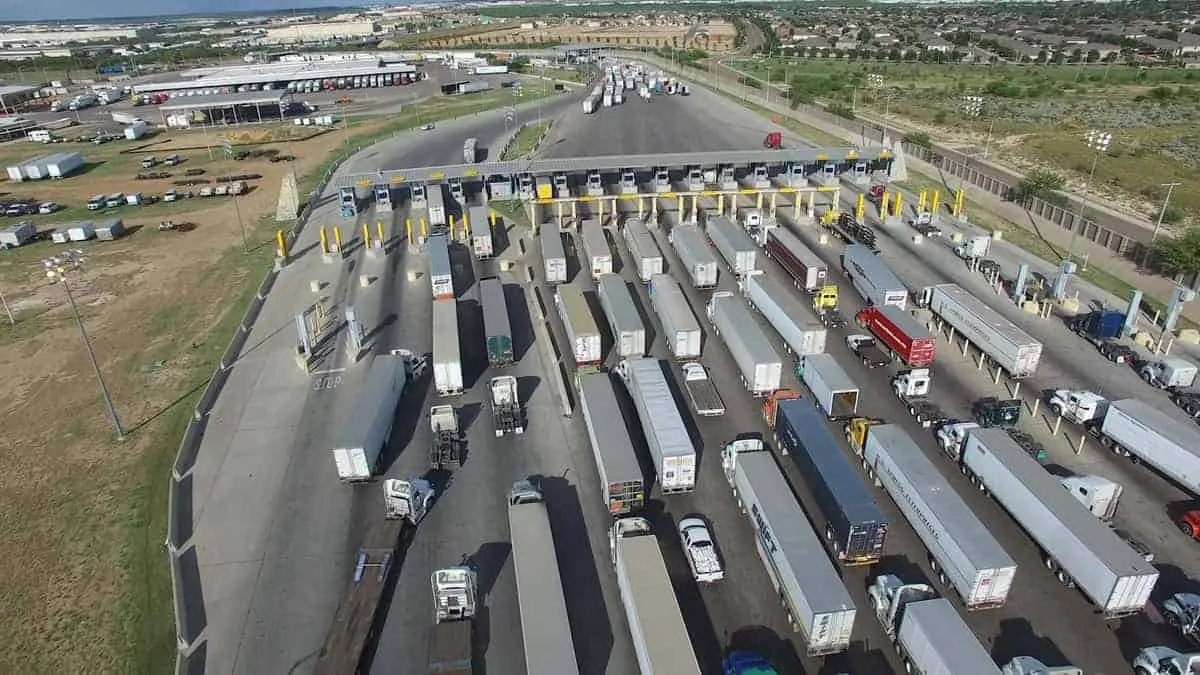
Farmers and truck drivers across Mexico ramp up protests and highway blockades that have paralyzed major border crossings and disrupted U.S.–Mexico freight flows for more than two weeks, causing extensive delays, factory shutdowns and billions of dollars in halted exports.
Demonstrations — driven primarily by anger over proposed changes to Mexico’s National Water Law and rising highway violence — have intensified in northern states including Chihuahua and Tamaulipas, as well as key commercial corridors connecting to the U.S., according to NMás.
Blockades have also been reported around Mexico City and surrounding highways.
38,000 truckloads stranded at Juárez crossing
The most severe disruption has unfolded at the Ciudad Juárez–El Paso border crossing, where farmers blocked customs facilities for multiple days over the past two weeks — stranding 38,000 truckloads and generating an estimated $1.45 billion in unrealized exports, the Coatzacoalcos Herald reported.
Manuel Sotelo Suárez, a representative for the National Chamber of Freight Transportation in Ciudad Juárez, said the gridlock left Juárez “very close to running out of supplies,” affecting fuel deliveries and essential goods for residents.
Maquiladora plants reported stoppages due to raw material shortages, with 30,000 workers experiencing technical downtime as production lines were halted.
Export backlogs are expected to take at least 10 days to clear even after traffic normalizes, and some manufacturers have begun rerouting through Nogales and Nuevo Laredo — adding time and cost to supply chains.
Blockades spread to other major crossings
In recent weeks, Mexican truckers and farmers have also obstructed:
- Bridge of the Americas, linking El Paso and Ciudad Juárez
- Mexicali–Calexico commercial crossing
- Reynosa–Pharr International Bridge, one of the busiest produce and manufacturing gateways
- Road access into Mexico City and key industrial zones
Truck drivers participating in the blockades say they are protesting rising highway insecurity, including cargo theft, robberies and police extortion. A separate blockade from truck drivers in Nogales affecting cross-border shipments reportedly reached an agreement with authorities on Nov. 27.
Related: Truckers lift nationwide blockades after reaching deal
Farmers in Tamaulipas threaten renewed closures
In northern Tamaulipas — home to major crossings like Pharr and Matamoros — farmers warned they will resume border and highway blockades starting Monday, if the federal government does not deliver an “immediate and favorable” response to their demands.
They argue the pending reform to Mexico’s National Water Law would centralize control and restrict irrigation access, endangering grain production and the economic stability of thousands of families.
Business groups warn of deepening economic fallout
Mexican business chambers estimate industry losses are rising by the hour. In Chihuahua alone, employer groups reported losses of $25.8 million per hour during the Juárez closures, with maquiladora suppliers seeing up to 20% of purchase orders halted.
Related: Widespread blockades snarl highways across Mexico, threatening freight flows
What’s driving the unrest?
Water rights crisis
Farmers across at least 20 states say the National Water Law reform threatens access to wells and irrigation rights essential for sorghum, corn and grain production.
Rising highway violence
Truckers cite escalating robberies, hijackings and extortion on federal highways—problems industry associations have warned are worsening amid growing cargo theft targeting consumer goods, electronics and food shipments.
Demand for political dialogue
Rural producers are seeking direct talks with lawmakers and the president before any water reform is approved. Many insist that blockades remain “the only mechanism to make their voices heard.”
The post Blockades choke Mexico’s border trade as farmers, truckers escalate unrest appeared first on FreightWaves.