Hong Kong-listed dry bulk giant Pacific Basin has launched a new Sustainable Energy Solutions team, reshaping its long-standing bunker department as the company steps up its response to shifting fuel, regulatory and emissions requirements in global shipping.
The move is part of Pacific Basin’s wider decarbonisation and optimisation strategy, aimed at strengthening the company’s position as compliance rules tighten and new fuel markets emerge. The company said the revamped unit will help it capitalise on monetisation opportunities linked to alternative fuels, carbon credits and regional and global GHG regulations, while supporting customers with a broader range of energy-related services.
The transition comes ahead of the planned retirement of bunker chief Rakesh Sharma in summer 2026 after 15 years with the company.
To lead the new division, Pacific Basin has appointed Henrik Røjel as Head of Sustainable Energy Solutions, effective February 2026. Røjel joins from Denmark’s Norden and brings deep experience in future fuels, decarbonisation services and regulatory compliance. His remit includes developing capabilities such as book & claim for alternative fuels, carbon credit trading and optimising the company’s strategy under national, regional and IMO-level greenhouse-gas rules.
Røjel has also served in board roles and sits on the advisory board of the Mærsk Mc-Kinney Møller Center for Zero Carbon Shipping, experience the company says will support its drive to expand energy-related services and future-proof its business.
Pacific Basin’s director of operations, James Chesman, said the formation of the team “marks a significant milestone” in the company’s shift toward delivering sustainable shipping solutions. He added that combining Røjel’s expertise with the existing bunker team’s experience will open new opportunities as the energy transition accelerates.
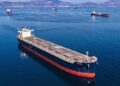
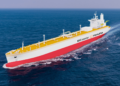
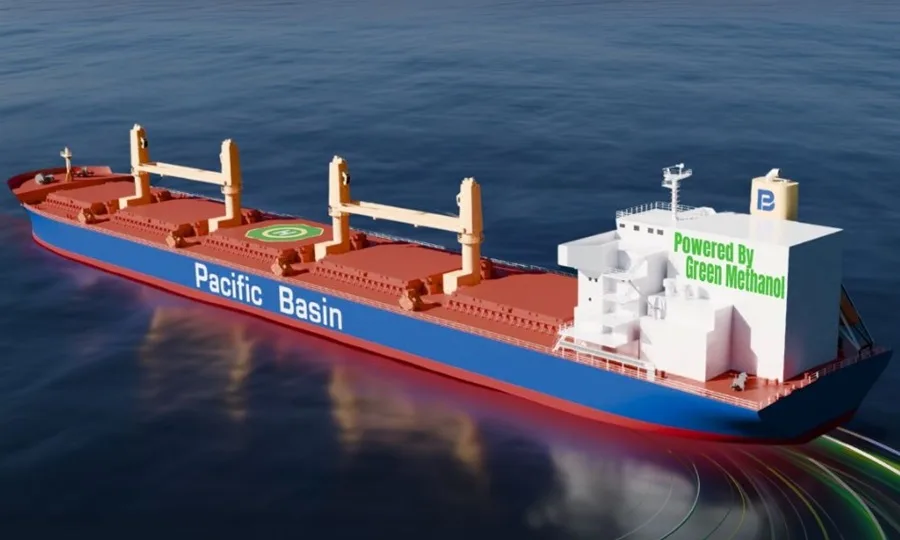
Pacific Basin is one of the world’s largest handy and supramax operators, with a fleet of more than 250 dry bulk vessels, including 107 owned ships. Its fleet expansion programme includes four Japanese-built dual-fuel ultramax vessels due for delivery in 2028 and 2029.