Maritime and Logistics News
  • Maritime & Ocean News
    • Container Shipping News
    • Dry Bulk Shipping News
    • Breakbulk Shipping News
    • Chemical Shipping News
    • Crude Oil Shipping News
    • Cruise Shipping News
    • Fishing News
    • Freight Forwarders News
    • LNG & LPG Shipping News
    • Multimodal Transport News
    • Railway News
    • Straits News
    • Trucking News
  • Global Ports News
    • Port Accidents News
    • Port Congestion News
    • Port Infrastructure News
    • Port Strike News
    • Schedules News
  • Air Cargo News
    • Air Cargo Carriers News
    • Air Freight Forwarder News
    • Airports News
  • Logistics News
    • Supply Chain News
    • Warehousing News
    • Cold Storage News
    • Logistics Parks News
  • Vessels News
    • Bunkering News
    • Incidents News
    • Offshore News
    • Pilotage News
    • Piracy News
    • Services News
    • Ship Breaking News
    • Shipbuilding News
  • Tech. & Sustainability News
    • Green Logistics News
    • Responsibility Projects News
    • Useful Maritime Associations News
  • Languages
Saturday, January 24, 2026
Advertisement
No Result
View All Result
No Result
View All Result
No Result
View All Result
Home Container Shipping News

Behind India’s strategic shipbuilding transition

October 16, 2025
in Container Shipping News
Behind India’s strategic shipbuilding transition
0
SHARES
3
VIEWS
Share on FacebookShare on Twitter

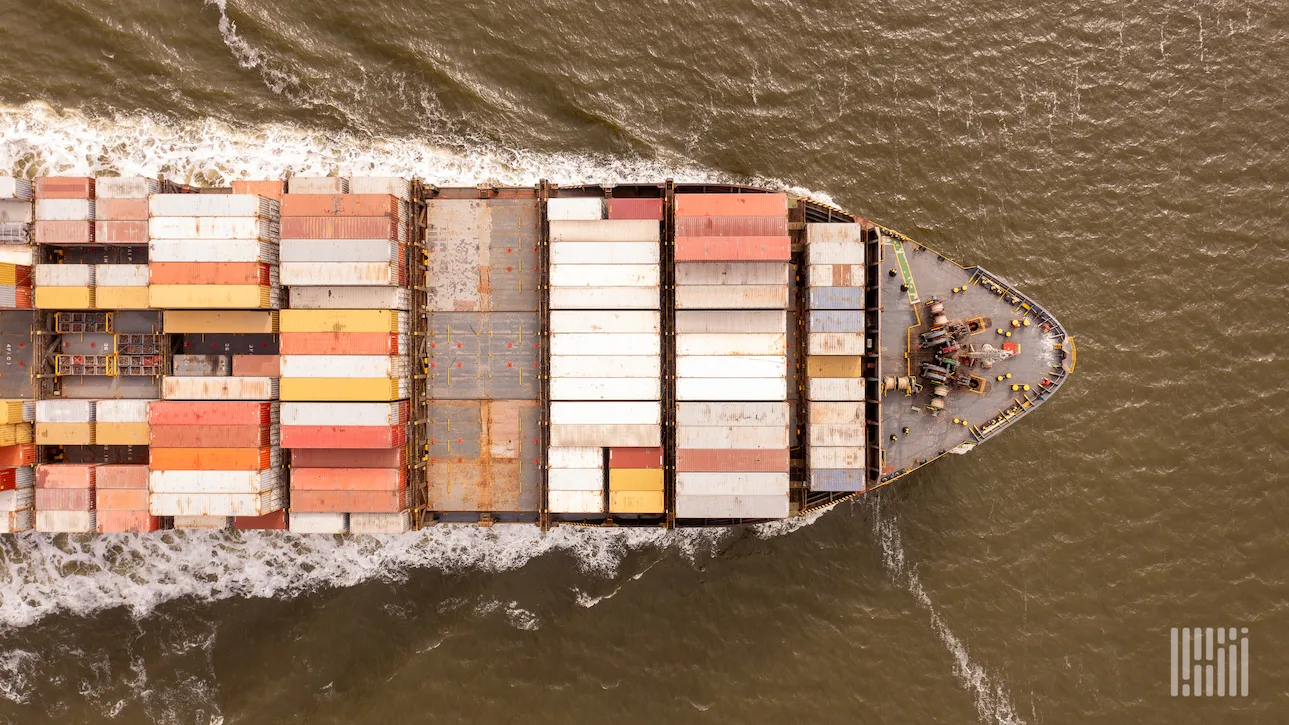
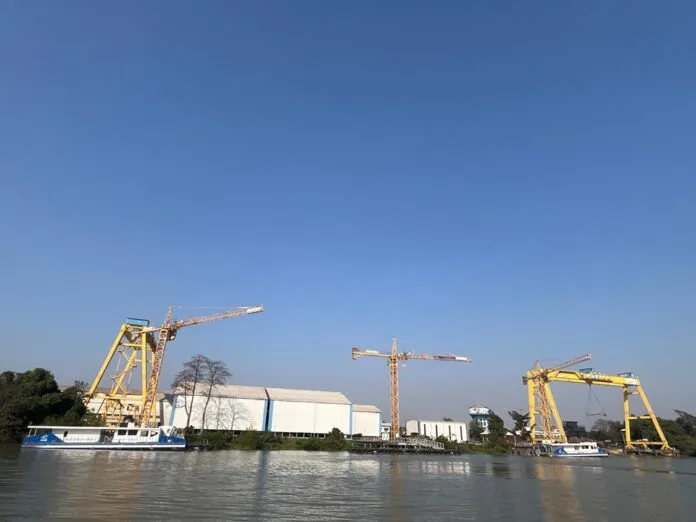
India’s shipbuilding ambitions reflect a calculated geopolitical strategy rather than mere industrial expansion.

Currently holding less than 1% of global market share and ranking 16th globally, India is positioning itself as a critical node in an emerging maritime alliance designed to contain Chinese shipbuilding dominance.

According to S&P Global, India’s focus on small to medium-sized and specialized vessels represents shrewd strategic positioning. Rather than directly challenging China’s economies of scale in large container ships and bulk carriers, India is carving a niche where technical expertise and customization matter more than raw production volume.

This approach leverages India’s established capabilities while avoiding frontal competition with China’s massive state-subsidized infrastructure.

Specialized vessels, including offshore support ships, coastal vessels, research ships, and niche commercial craft, require different competencies than mass-produced standard tonnage.

These segments demand engineering flexibility, specialized know-how, and closer client collaboration areas where India can compete effectively without matching China’s industrial scale.

The July 2025 strategic shipbuilding alliance between South Korea and India signals deeper coordination within this emerging axis.

For Korean and Japanese shipbuilders facing intense price pressure from Chinese competitors, India offers both manufacturing capacity and market access. This partnership enables technology transfer, particularly Korean expertise in high-value specialized construction, while providing Seoul and Tokyo an alternative production platform outside China’s sphere.

This triangular configuration serves multiple purposes. South Korea contributes advanced technical capabilities and design expertise. Japan brings precision engineering and quality standards. India provides cost-competitive manufacturing, strategic geographic positioning on critical shipping routes, and a large domestic market. Together, they create a commercially viable alternative to Chinese shipyards.

The US backing, channeled through commercial entities like CMA CGM and major shippers such as Maersk and MSC, reveals the geopolitical architecture behind India’s ambitions.

Washington seeks to diversify global shipbuilding capacity away from Chinese concentration, viewing maritime industrial capability as strategic infrastructure.

India’s 1,000-vessel target over the next decade, supported by the 250 billion rupee Maritime Development Fund, reflects this externally encouraged expansion.

China’s vertically integrated maritime ecosystem spanning shipbuilding, shipping lines, port operations, and steel production creates systemic dependencies that concern Western strategists.

By strengthening India’s capabilities, particularly in specialized segments, the US aims to create competitive pressure points that limit China’s pricing power and market control.

India’s geographic position on major east-west and north-south trade routes provides natural advantages for serving regional markets and repair operations. The planned eight maritime clusters will create concentrated centers of expertise, mimicking successful models in Korea and China but focused on India’s specialized vessel niche.

The revised Shipbuilding Financial Assistance Policy addresses cost competitiveness directly, acknowledging that Indian yards need support to match subsidized Chinese and Korean facilities. This pragmatic approach recognizes that commercial viability requires leveling competitive conditions.

Current developments suggest India’s shipbuilding expansion is converging with broader Indo-Pacific realignment.

The specialized vessel focus allows rapid capability building without requiring decades-long investment in mega-yard infrastructure. Korean technical partnerships accelerate this timeline, while Japanese quality standards enhance market credibility.

This strategy creates a commercially sustainable alternative to Chinese dominance in specific segments while supporting geopolitical objectives of supply chain diversification.

Success hinges on execution whether India can translate financial commitments and strategic partnerships into operational shipyards delivering competitive vessels. The specialized focus provides a realistic pathway, but China’s entrenched advantages in scale, subsidies, and integrated ecosystems remain formidable obstacles.

/ihc-hide-content]

The post Behind India’s strategic shipbuilding transition appeared first on Container News.

Tags: AndIndiaIndia’sShipbuildingThe

Related Posts

Container Shipping News

Nagoya Port posts third straight year of growth

January 23, 2026
States waive trucker logs and weight limits for storm relief
Air Cargo Carriers News

States waive trucker logs and weight limits for storm relief

January 23, 2026
AI readiness lagging in procurement
Air Cargo Carriers News

AI readiness lagging in procurement

January 23, 2026
Misumi taps Fictiv’s Dave Evans to lead its Americas business amid global sourcing shift
Container Shipping News

Misumi taps Fictiv’s Dave Evans to lead its Americas business amid global sourcing shift

January 23, 2026
Air Cargo Carriers News

Trucking Alliance’s safety agenda 2: policies that directly impact carriers

January 23, 2026
Assessing the full impact of Winter Storm Fern 
Air Cargo Carriers News

Assessing the full impact of Winter Storm Fern 

January 23, 2026
  • Trending
  • Comments
  • Latest
Trump to name Fox TV host Sean Duffy to head DOT

Trump to name Fox TV host Sean Duffy to head DOT

November 19, 2024
FedEx sends specialists to streamline European operations

FedEx sends specialists to streamline European operations

August 21, 2025
Vintage VLCC prices firm up

Vintage VLCC prices firm up

February 25, 2025
At RailTrends, CPKC and UP CEOs talk about higher levels of rail service

At RailTrends, CPKC and UP CEOs talk about higher levels of rail service

November 18, 2024
PUMA Chooses Maersk Warehouse,

PUMA Chooses Maersk Warehouse

0
Cape Rates Soar to $40,000 Per Day, Surging Twofold Within One Week

Cape Rates Soar to $40,000 Per Day, Surging Twofold Within One Week

0
Allelys Successfully Navigates Challenges in Transporting Cargo to Rothienorman Substation

Allelys Successfully Navigates Challenges in Transporting Cargo to Rothienorman Substation

0
Hanwha Ocean secures a contract for an ultra-large ammonia carrier

Hanwha Ocean secures a contract for an ultra-large ammonia carrier

0

Nagoya Port posts third straight year of growth

January 23, 2026

LTL carrier Peninsula adding a 2-state surcharge for regulatory burdens

January 23, 2026
States waive trucker logs and weight limits for storm relief

States waive trucker logs and weight limits for storm relief

January 23, 2026

Eastern ports, railroads bracing for storm

January 23, 2026

Recent News

Nagoya Port posts third straight year of growth

January 23, 2026

LTL carrier Peninsula adding a 2-state surcharge for regulatory burdens

January 23, 2026
States waive trucker logs and weight limits for storm relief

States waive trucker logs and weight limits for storm relief

January 23, 2026

Eastern ports, railroads bracing for storm

January 23, 2026

Stay ahead in the dynamic world of maritime and logistics with our comprehensive news coverage. Explore the latest industry trends, breaking news, and insightful analyses. Your gateway to informed decision-making in shipping, trade, and logistics awaits.

Follow Us

Our Partners

shipstrack.com
E-tracking
  • About
  • Advertise
  • Privacy & Policy
  • Contact

© 2020-2024 SeasNews - Shipping News & Magazine.

No Result
View All Result

© 2020-2024 SeasNews - Shipping News & Magazine.