Henrik Jensen, the CEO of Danica Crewing Specialists, has some New Year’s resolution suggestions to improve life at sea.
For years, our industry has swung between calm periods and sudden crises. When operations run smoothly, support for seafarers can slip down the list; when a problem hits, companies scramble to fix issues that should never have been allowed to build up in the first place. This reactive approach is no longer sustainable. As we move toward 2026, the cost of failing to act is growing.
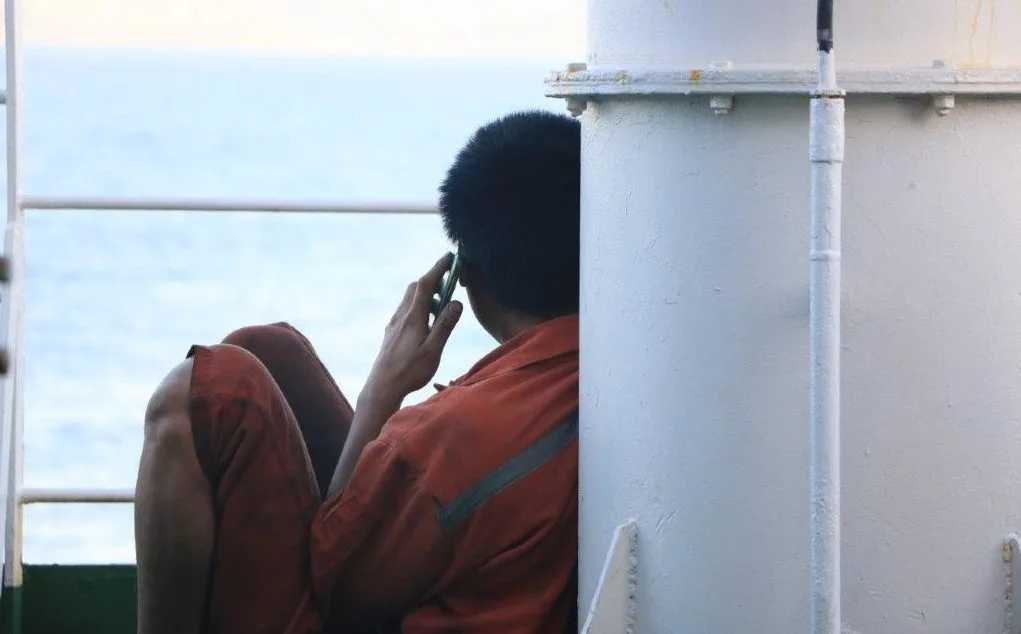
The situation is complex. Many shipowners already operate responsibly, with clear procedures, safe vessels, and supportive working environments. Yet even in well-managed operations, seafarers face pressures that demand constant attention. Our Danica Seafarer Survey highlights persistent challenges: a record 44% of seafarers reported feeling stressed during their last contract, 37% did not receive statutory rest, and 16% reported mental depression, which is up from 11% just two years ago. Even small percentages, such as the 3% prevented from seeing a doctor ashore, represent real individuals whose basic welfare must be safeguarded.
This is where responsible crew managers play a crucial role. Companies such as Danica provide the tools and expertise to support both seafarers and owners with leadership training, well-being monitoring, structured career pathways, and proactive planning. When these systems are in place, they not only protect seafarers but also enhance vessel performance, safety, and retention.
Proactive support means planning crewing needs well ahead of time so workloads remain manageable and building wellbeing into everyday operations, not waiting until someone reaches a breaking point. Most importantly, it means recognising that seafarers are skilled professionals whose performance, safety, and loyalty depend on whether they feel valued and supported.
At Danica, we have seen that when companies invest consistently in their people, the results speak for themselves with stronger vessel performance, fewer safety incidents, and a stable pipeline of talent. As the labour market tightens, companies that embrace this approach gain a clear competitive advantage.
As we look to 2026, the question facing the industry is simple: will we finally act before problems escalate, or will we continue to respond only when it’s too late? Responsible owners and effective crew managers are already leading the way, but now is the time for the rest of the sector to put people first.